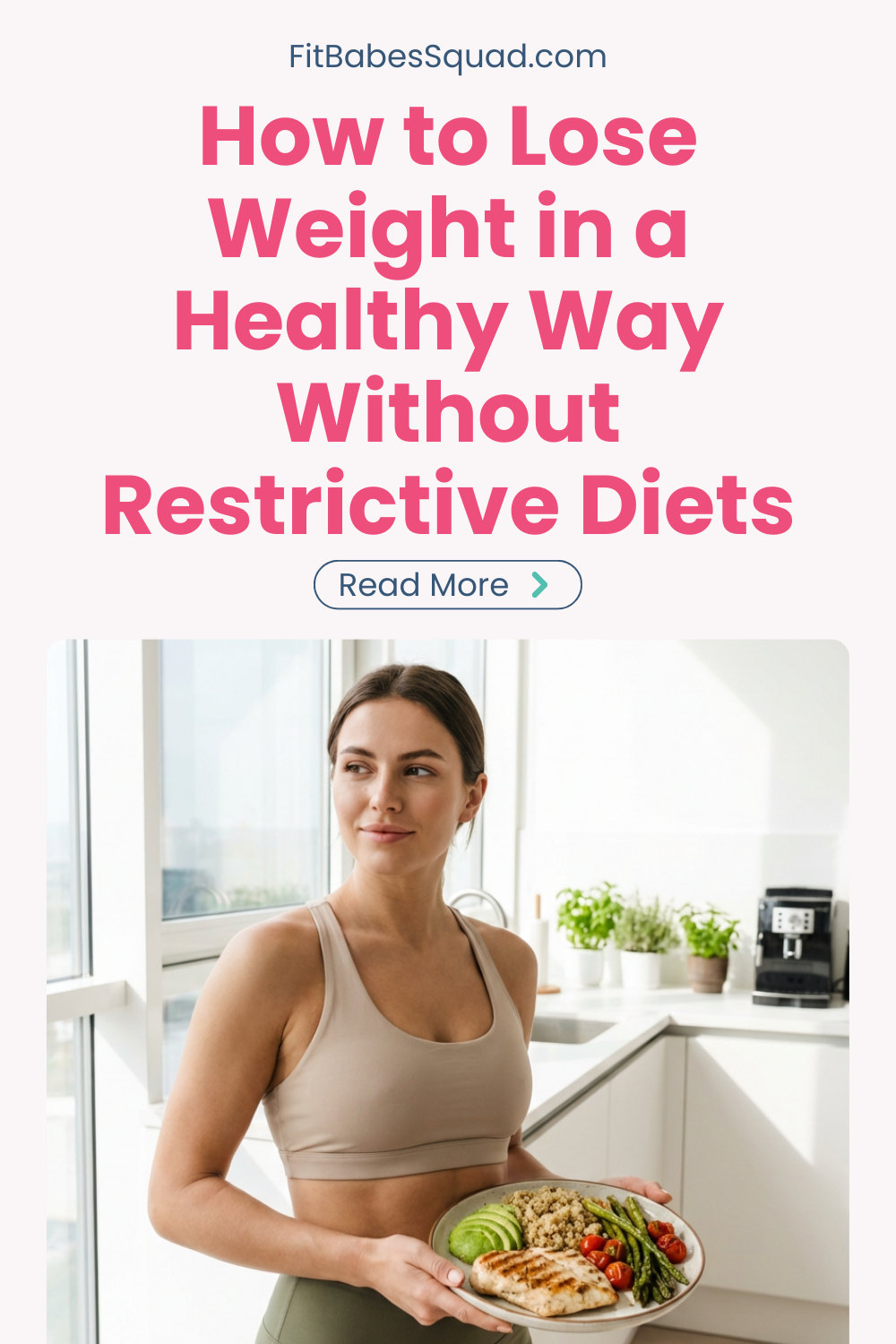
Have you ever tried to “be good” all day, only to end up standing in front of the fridge at 9 p.m. eating whatever you can grab? Yeah, that has been me, more times that I'd like to admit. If you’ve been wondering how to lose weight in a healthy way without feeling hungry, obsessed with food, or totally miserable, this is for you.
We are not doing starvation. We are not cutting out entire food groups. And we are definitely not pretending that celery sticks are exciting.
Today we are talking about how to lose weight in a healthy way that feels doable in real life. The kind that lets you enjoy dinner with your family, go out with your friends, and still see progress. Because if it is not sustainable, it is not worth it.
Let’s get into it.
What It Really Means to Lose Weight in a Healthy Way
When people talk about weight loss, they usually mean fast weight loss.
But fast is not the same as healthy.
And healthy is what actually lasts.
Learning how to lose weight in a healthy way means focusing on fat loss, muscle retention, energy, and mental balance. It means your body feels supported, not punished.
Healthy weight loss vs crash dieting
Crash diets promise dramatic results in 30 days. They cut calories super low. They remove carbs. They make you scared of fruit. And yes, the scale might drop quickly at first.
But here is what actually happens.
You lose water.
You lose some muscle.
Your metabolism slows down.
Your cravings go through the roof.
Then the weight comes back, sometimes with extra.
Healthy weight loss is slower. And that's something we have to get used to...
Think one to two pounds per week for most women. It protects your muscle. It keeps your hormones more stable. It helps you build habits you can actually stick with.
Why starving yourself backfires
If you are constantly hungry, your body thinks there is a famine. It responds by conserving energy and increasing hunger hormones. That is not a lack of willpower. That is biology.
When you under eat, you also tend to overeat later.
It is a cycle.
Restrict.
Crave.
Overeat.
Feel guilty.
Start over.
If you want to know how to lose weight in a healthy way, the first rule is simple. Eat enough. Just eat smarter.
How to Lose Weight in a Healthy Way by Fueling Your Body Properly
This is the part most people skip. They jump straight to cutting calories. But the real magic is in how you build your meals.
1. Build balanced meals for sustainable fat loss
Every meal should have protein, fiber, and some healthy fat. This combination keeps you full and helps stabilize blood sugar.
Protein is your best friend for fat loss. It supports muscle and keeps you satisfied longer. Think eggs, Greek yogurt, chicken, tofu, cottage cheese, protein smoothies.
Fiber comes from veggies, fruits, whole grains, and legumes. It adds volume to your meals without tons of calories. That is how you feel full without overeating.
Healthy fats like avocado, nuts, seeds, and olive oil help with satisfaction and hormone health. You do not need a lot, but you do need some.
When your meals are balanced, you are less likely to snack mindlessly later. You are also less likely to feel deprived.
If you struggle to hit your protein goals, adding a scoop of protein powder to your morning smoothie makes it way easier.
My Favorite Protein Powder to Supplement

Recommended post:
The Mindset Blueprint You Need For Success
2. Understanding calorie deficit without obsession
Yes, weight loss requires a calorie deficit. But that does not mean tracking every crumb or eating as little as possible.
A small, moderate calorie deficit is enough. For most women, that might mean reducing daily intake by 300 to 500 calories. Not 1,000. Not 1,500.
If counting calories stresses you out, focus on habits instead. Eat mostly whole foods. Prioritize protein. Reduce mindless snacking. Pay attention to portion sizes.
Those simple shifts often create a natural calorie deficit without the mental spiral.
When you think about how to lose weight in a healthy way, think gentle adjustments, not extreme cuts.
If you’re new to eyeballing portions, a simple food scale or portion control plates can help you understand serving sizes without obsessing over them.



Movement That Supports Fat Loss Without Burning You Out
You do not need to live in the gym. You also do not need to punish yourself with endless cardio.
The goal is movement that builds muscle and supports your metabolism.
Strength training for women who want to tone up
If you want to look lean and feel strong, strength training is key. Lifting weights helps you maintain and build muscle while losing fat. That muscle keeps your metabolism higher over time.
And no, lifting will not make you bulky. That is a myth that needs to retire.
Start with two to four sessions per week. Focus on compound movements like squats, lunges, presses, and rows. Progress gradually. Celebrate getting stronger.
Strength training is one of the most underrated tools when it comes to how to lose weight in a healthy way.
If you’re just starting strength training, a simple pair of adjustable dumbbells at home is more than enough.

Daily movement and realistic cardio
You do not need hours of cardio. But daily movement matters.
Walking is powerful. It supports fat loss, reduces stress, and improves overall health. Aim for 7,000 to 10,000 steps a day if you can. If that feels like too much, start where you are and build up.
Cardio can absolutely be part of your routine. Just do not rely on it alone. And do not use it to “earn” your food.
Exercise should feel like self care, not punishment.
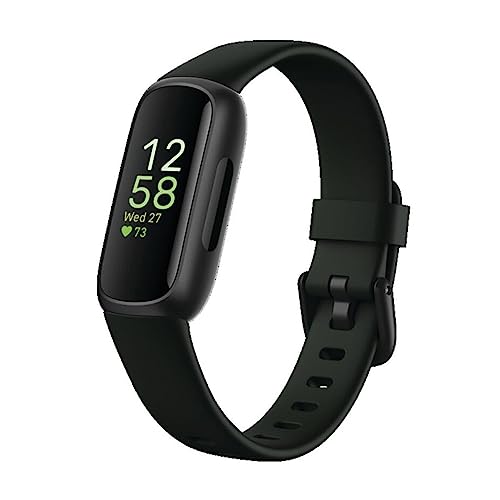
If hitting 7,000 to 10,000 steps feels overwhelming, using a simple fitness tracker can make it feel like a game.

The Mindset Shift That Changes Everything
You can have the perfect meal plan and workout routine. But if your mindset is off, it will always feel like a fight.
Stop chasing perfection
Healthy weight loss is not about being perfect every day. It is about being consistent most days.
There will be birthday cake. There will be takeout nights. There will be days you skip the gym.
That does not ruin your progress. Quitting does.
Instead of thinking “I messed up,” try thinking “That was one meal. I am back on track next meal.” That shift alone is powerful.
Emotional eating and stress management
Sometimes we eat because we are hungry. Sometimes we eat because we are stressed, bored, lonely, or tired.
If you are working on how to lose weight in a healthy way, pay attention to your triggers. Do you snack more at night? After work? During stressful weeks?
Instead of immediately trying to cut those foods out, get curious. Can you go to bed earlier? Can you take a quick walk after work? Can you call a friend instead of opening the pantry?
You do not need to be perfect. You just need awareness.
Recommended post:
Beginners Strength Training Tips You'll Wish You Knew
Creating Healthy Habits That Actually Stick
Quick fixes are tempting. But real transformation comes from habits you can repeat over and over.
Focus on routines, not motivation
Motivation is unreliable. Some days you will feel fired up. Other days you will want to stay in sweatpants and scroll.
Routines carry you when motivation fades.
Meal prep simple proteins so you are not scrambling at dinner. Schedule your workouts like appointments. Keep healthy snacks visible and convenient.
The easier you make the healthy choice, the more often you will take it.
Sleep, hydration, and recovery
This is the unsexy part that makes a huge difference.
If you are sleeping five hours a night, your hunger hormones will be out of balance. Cravings will spike. Energy will crash.
Aim for seven to nine hours when possible. Drink enough water throughout the day. Manage stress in small ways. Even five minutes of deep breathing counts.
When your body feels safe and supported, fat loss becomes easier.
Sometimes increasing your water intake alone reduces cravings. A big water bottle you actually like makes a difference.
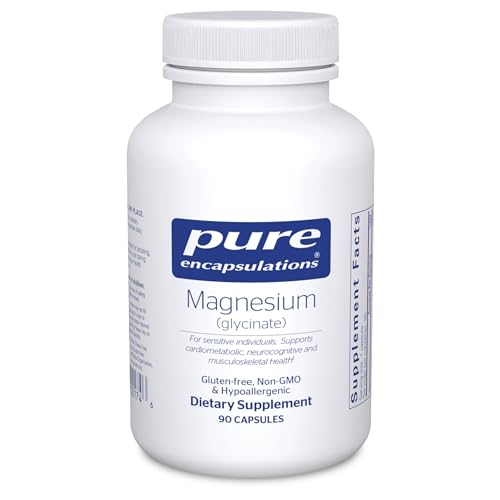 Pure Encapsulations Magnesium (Glycinate)
I take this every single night for the deepest sleep. I never wake up groggy like other sleep supplements aka melatonin.

Bringing It All Together
If you take one thing from this, let it be this. Learning how to lose weight in a healthy way is not about eating as little as possible. It is about eating enough of the right things, moving your body consistently, and building habits you can live with.
You deserve to feel strong. You deserve to enjoy food. And you deserve progress that does not come at the cost of your mental health.
So start small. Add protein to breakfast. Go for a walk after dinner. Lift something a little heavier this week. Get to bed 30 minutes earlier.
Those small steps add up.
And if you have been stuck in the restrict and binge cycle, let this be your permission to do things differently. How to lose weight in a healthy way is not a secret. It is a series of simple, supportive choices repeated over time.
You have got this. And I am cheering you on.
If this helped you rethink how to lose weight in a healthy way, share it with your gym bestie or save it for later. We are building strong, confident habits together. 💛
Other Fat Loss Posts You'll Love:
xoxo,

*Disclaimer: The suggestions provided in this blog post are for informational purposes only and should not be considered as a substitute for professional medical advice, diagnosis, or treatment. Always consult with a qualified healthcare provider before making any significant changes to your health and wellness routines. I am not a doctor and the information presented is based on research and personal experience. Individual results may vary, and any actions taken based on the information in this blog post are done at your own risk. It's essential to consult a healthcare expert for personalized guidance tailored to your specific health needs and circumstances. Your health and well-being should always be a top priority, and professional medical guidance is crucial for making informed decisions about your health.