If you’ve been searching how to start working out to lose weight, you probably feel overwhelmed. There are a million workout plans.
A thousand opinions.
And somehow they all contradict each other.
So let me make this simple for you.
The best way to start working out for fat loss is not by doing the most extreme thing. It’s by building a beginner workout routine with the best exercises that improve your metabolic rate, protect lean muscle mass, and support your weight loss goals long term.
Let’s break this down like I needed when I first started working out.
*Disclaimer: The suggestions provided in this blog post are for informational purposes only and should not be considered as a substitute for professional medical advice, diagnosis, or treatment. Always consult with a qualified healthcare provider before making any significant changes to your health and wellness routines. I am not a doctor and the information presented is based on research and personal experience. Individual results may vary, and any actions taken based on the information in this blog post are done at your own risk.
How to Start Working Out to Lose Weight
Before we jump into workouts, we need to understand what actually drives fat loss in the first place.
Step 1: Understand What Actually Causes Fat Loss
Fat loss happens when you’re in a calorie deficit. That simply means you burn more calories than you consume.
It’s about energy balance. If your calorie intake is lower than the number of calories your body burns through daily activities and workouts, your body will start using stored body fat for fuel.
But here’s where most beginners go wrong.
Calories get cut too aggressively.
A super restrictive diet becomes the next move.
And entire food groups disappear overnight.
That combination leads straight to muscle loss, low energy, and eventual burnout.
Instead of making those drastic decisions, focus on small changes:
- Replace sugary drinks with water.
- Cook more meals at home instead of fast foods.
- Add regular physical activity.
You don’t need to eat dramatically fewer calories. You just need consistency of good habits.
Step 2: Start With Strength Training (Yes, Even for Weight Loss)
If you want the most effective ways to lose body fat, strength training needs to be the foundation of your workout plan.
Strength training helps:
- Preserve lean muscle mass
- Improve body composition
- Increase metabolic rate
- Support long-term weight management
Muscle burns more calories at rest than fat tissue. That means building muscle through resistance training helps you burn more calories even when you’re not working out.
I mean thats amazing. Who wouldn't want to burn extra calories without even having to do anything?!
And no, because I know what you could be thinking.... lifting heavier weight will not make you bulky. It builds lean muscle and creates that toned look most women actually want.
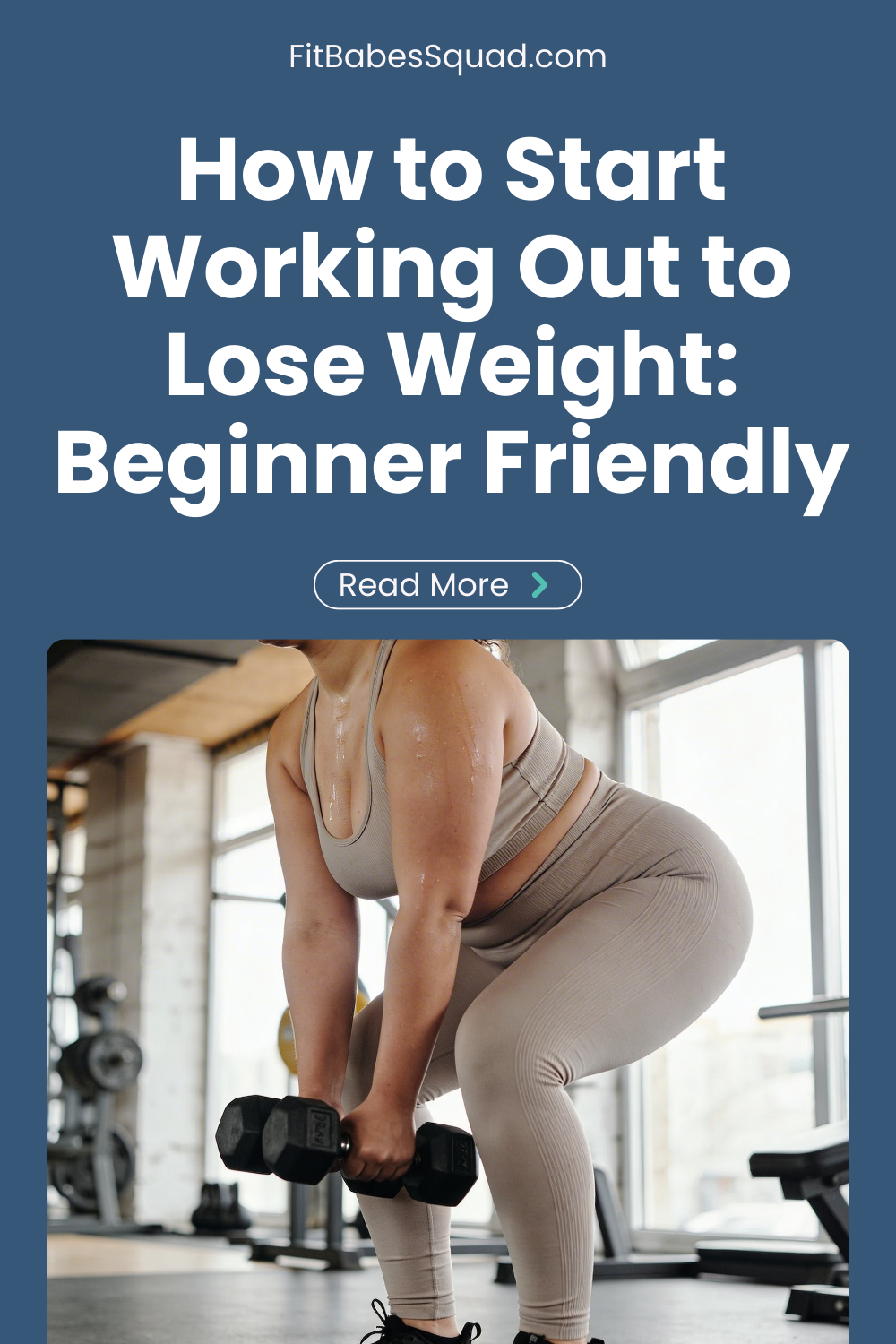
If you’re new, start with a simple weight training routine:
3 days per week focusing on 3 of the major muscle groups: lower body, upper body and core.
Full-body strength sessions are a great way to start.
Beginner-friendly equipment is especially helpful when you are learning proper form and building confidence with weight training.
You can check out some of my favorite beginner fitness tools here. These are affordable, simple to use, and perfect for starting your strength training routine at home.
If You're Training at Home:
Check Out These Beginner's Fitness Essentials from Amazon
Step 3: Add Cardio for Heart Rate & Fat Burn
Cardio workouts support fat loss by increasing calorie burn and improving cardiovascular health, which is an important part of how to start working out to lose weight in a sustainable way.
The goal is not endless cardio. Your goal should just be elevating your heart rate in a smart way.
You can include:
- Walking
- Rowing machine
- Cycling
- High-intensity interval training
HIIT workouts are a great way to get a high calorie burn in less time, especially if your fitness level is beginner to intermediate. (This is how I started out, all thanks to Burn Bootcamp!)
But you don’t need much exercise to start. Two to three cardio workouts per week is plenty when combined with strength workouts.
Step 4: Follow a Simple Beginner Workout Plan
If you're learning how to start working out to lose weight, here’s a realistic exercise plan you can start this week:
Monday: Full-Body Strength
Wednesday: Cardio (steady state or HIIT)
Friday: Strength Training
Saturday: Optional cardio or active recovery
That’s it.
Don't let people trick you into thinking you need a personal trainer or the next best workout schedule on Instagram.
All you need regular exercise you can maintain long term.
Step 5: Focus on Body Composition, Not Just Scale Weight
When starting a new exercise routine, your body composition may change before the scale moves so PLEASE don't let this derail you.
You might:
- Gain lean muscle mass
- Lose body fat
- Drop water weight
And the scale doesn’t show the full story. Your weight loss results should be measured by:
- How clothes fit
- Energy levels
- Strength increases
- Body fat percentage
I call these your "non-scale victories". A healthy weight looks different on everyone, so don't chase a number. Reflect on how you FEEL.
Step 6: Don’t Skip Rest Days
When you see a rest day in your schedule, give yourself grace and allow yourself to fully rest. Because rest days are not lazy days.
Rest days are necessary because they regulate cortisol levels, improve sleep quality, and allow muscle recovery.
Recovery is such an important factor in seeing the best results over time. Your body needs time to adapt to strength workouts and resistance training so plan at least 1–2 rest days per week.
One of those "rest" days, can absolutely be an "active recovery" day like walking, stretching or light yoga. All of these are great options on lighter days.
Two supplements I take that are crucial to recovery:
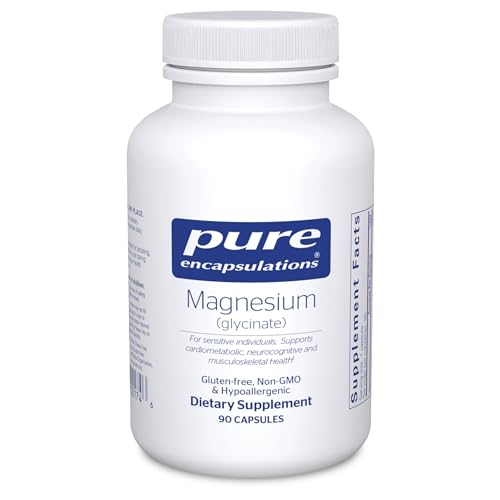 Pure Encapsulations Magnesium (Glycinate)
I take this every single night for the deepest sleep. I never wake up groggy like other sleep supplements aka melatonin.
 XTEND Sport BCAA Powder Strawberry Kiwi Splash
BCAAs reduce muscle soreness by repairing the muscles with branch chain amino acids!
Step 7: Set Realistic Goals
The most important thing in your weight loss journey is setting realistic goals.
Not:
“Lose 20 pounds in 3 weeks.” Thats so unrealistic and mentally unhealthy. You deserve more than that.
Instead, I want you to set a goal like these:
- Improve fitness level
- Build strength
- Reduce body fat gradually
- Create healthy choices you can sustain
Or, set yourself a "number goal". But make it sustainable.
Something like, "Lose 5-8 pounds next month" is completely doable.
A weekly weight loss of 1-1.5 is appropriate and you could definitely hit your goal by following that.
Fad diets might drop scale weight quickly, but they don’t support long-term weight management. Most the time, those are all temporary water weight solutions anyways,
Think long run, not quick fix.
How Strength Training Increases Your Metabolic Rate
One of the biggest reasons strength training is so powerful for fat loss is what it does to your metabolic rate.
Your metabolic rate is the number of calories your body burns at rest to support breathing, digestion, hormone regulation, and daily activities.
When you build lean muscle mass through resistance training, you increase the amount of muscle tissue on your body.
Muscle tissue is metabolically active. That means it requires more energy than fat tissue.
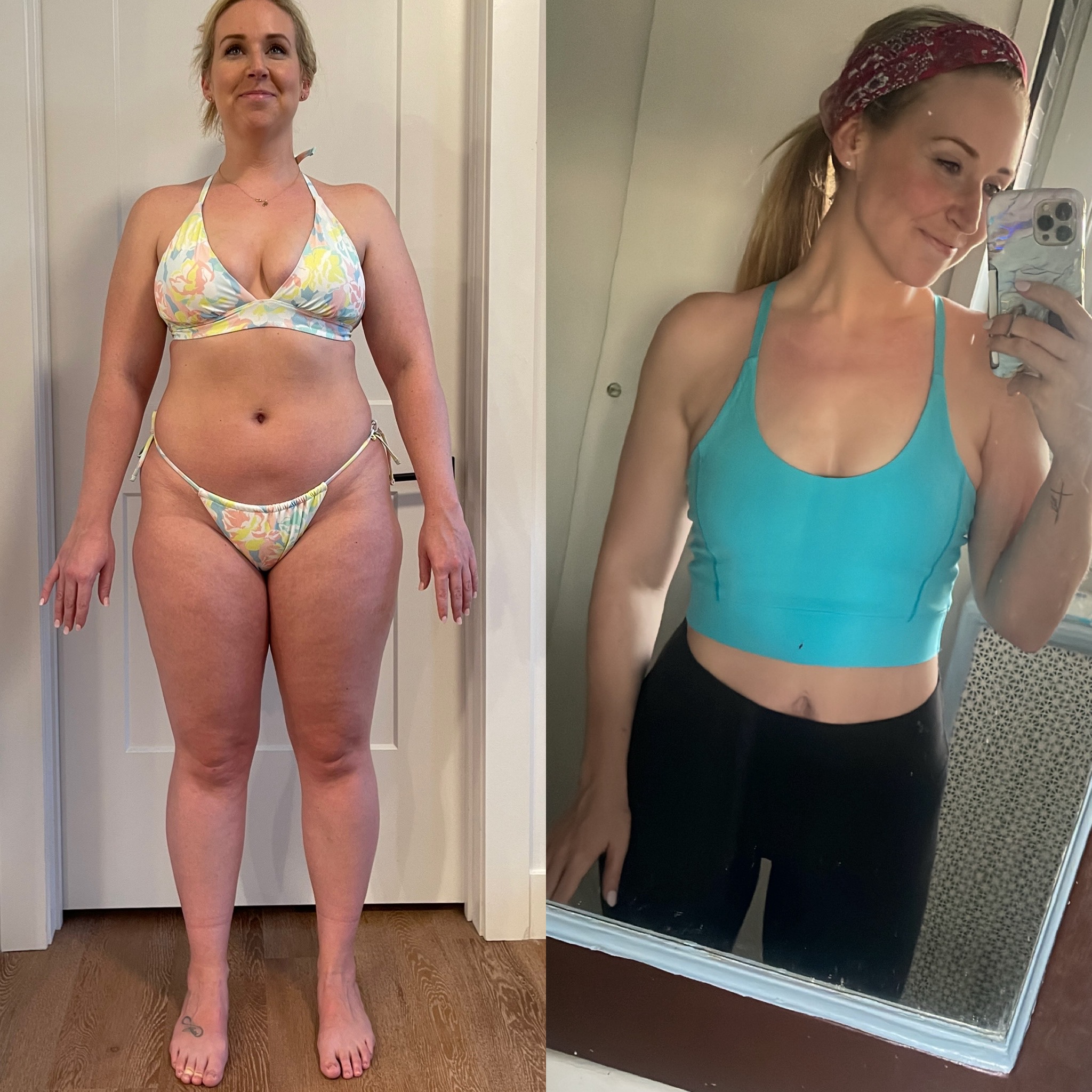
The more lean muscle mass you have, the more calories you burn throughout the day, even when you’re not working out. I mean, how sweet is that?! lol.
This is why strength workouts are not optional if your weight loss goals include losing body fat and keeping it off long term.
Cardio burns calories during the workout. Strength training changes your body composition and increases calorie burn around the clock.
That’s a BIG difference.
Save this post below (and come back to it, of course!) to see which metabolic exercises will help you burn the most body fat while gaining muscle.
Recommended post:
Top Metabolic Exercises to Torch Body Fat
Why Body Composition Matters More Than the Scale
When most women start a weight loss journey, they obsess over body weight. I've been there, I'm guilty... not shaming.
But body composition is what actually determines how you look and feel.
Body composition refers to:
- Body fat percentage
- Lean muscle mass
- Water retention
- Bone density
When you're learning how to start working out to lose weight, focusing only on scale weight can be extremely misleading.
You could weigh the same number but look completely different depending on how much lean muscle mass you have.
This is why two women with the same body weight can have totally different shapes.
If your goal is a healthy weight and visible fat loss, focus on reducing body fat while preserving muscle! Not just making the number on the scale go down.
If you have access to an In Body Scale - these are usually located at nutrition shops - go do an inbody once a month!
If you want to invest in a body composition home scale, grab this one:

The Role of Cardio in Fat Loss
Cardio workouts absolutely have a place in your workout plan.
Cardiovascular workouts:
- Elevate heart rate
- Improve cardiovascular health
- Support calorie deficit
- Reduce risk of heart disease
- Improve overall health
But here’s where so many beginner gym goers, go wrong.
They rely only on cardio workouts and skip resistance training.
Too much cardio without strength workouts can actually slow metabolic rate over time if your muscle tissue decreases.
The most effective ways to lose fat are to combine:
- Strength training
- Moderate cardio
- Occasional HIIT workouts
High-intensity interval training, also known as "hiit workouts", can create a high calorie burn in a short time.
They’re actually one of my favorite workout types and a great way to boost results once your fitness level improves.
But if you’re brand new, steady state cardio like walking, cycling, or the rowing machine is more sustainable at first.
If you jump in at 100% to hiit workouts, you risk major injury. So take it slow, and incorporate hiit training as you go.
I've learned that the best type of exercise is the one you’ll keep doing, because you love it, not hate it.
How to Create a Beginner Workout Routine That Actually Works
When you're searching for how to start working out to lose weight, you don’t need something complicated.
You need structure.
Here’s a super basic and simple exercise plan for beginners:
Day 1: Lower Body Strength Training
Focus on major muscle groups in the lower body and hit these by doing:
- Squats
- Lunges
- Romanian deadlifts
- Glute bridges
Day 2: Cardio
30 minutes steady walking or cycling. Optional short high-intensity interval training session (10–15 minutes).
Day 3: Upper Body Strength Training
Target major muscle groups by doing:
- Push-ups
- Dumbbell rows
- Shoulder presses
- Bicep curls
- Tricep dips
Day 4: Rest Day or Active Recovery
Active recovery is a great way to stay moving without overstressing your body:
- Light walking
- Stretching
- Yoga
This workout routine supports fat loss, protects lean muscle mass, and improves overall health.
Why Regular Exercise Is More Important Than “Perfect” Exercise
There are lots of ways to lose weight. The fitness industry wouldn't be as massive as it is, if not.
Free weights.
Body weight workouts.
Kettlebell swings.
Machines.
Home workouts.
Gym programs.
You name it, it exists.
But the most important thing when learning how to start working out to lose weight is regular exercise done consistently.
When figuring out how to start working out to lose weight, consistency matters more than intensity.
Consistency over intensity is so important because it improves:
- Energy balance
- Body composition
- Cardiovascular health
- Better sleep
- Hormone regulation
Small changes done consistently beat intense bursts done occasionally.
How to Set Realistic Weight Loss Goals
We briefly touched on this earlier but it's worth repeating because it's that important. When starting a new exercise routine, it’s easy to aim too high too fast.
Instead of focusing only on scale weight, try setting specific goals like:
- Improve strength
- Increase workout consistency
- Lower body fat percentage
- Improve endurance
- Hit 8,000–10,000 daily steps
- Improve cardiovascular health markers
Realistic goals create sustainable progress. And sustainable progress leads to real long term transformation.
See the blog post below, for the best practices to setting SMART Fitness Goals.
Recommended post:
Hit Fitness Peaks Faster with SMART Fitness Goals
Common Beginner Weight Loss Mistakes to Avoid
Most of us skim read, so I'm going over these again because I want to protect you from burnout, at all costs. You must avoid these things that people do wayyyy too often!
1. Doing Too Much Exercise Too Soon
You don’t need much exercise at first, especially if you haven't worked out at all.
Start small and build gradually.
When you suddenly jump into intense daily workouts, your body and nervous system can get overwhelmed which actually sets you back.
Soreness increases, motivation drops, and injury risk goes up.
A beginner workout routine should feel challenging but manageable. Consistency beats intensity in the beginning.
2. Ignoring Rest Days
Rest days regulate cortisol levels, improve sleep quality, and allow muscle repair. They’re a crucial part of the fat loss process, not a break from it.
When you strength train, you create tiny stress signals in muscle tissue.
Recovery is when lean muscle mass actually rebuilds.
Skipping rest days can stall progress and increase your overall fatigue.
3. Only Doing Cardio
I know not everybody wants to lift weights. But skipping strength training limits metabolic rate improvement and body composition change.
Cardio workouts burn calories during the session itself, while strength training helps preserve lean muscle mass and supports long term fat loss.
If you only focus on cardio, you may lose muscle along with body fat, which can slow your metabolic rate over time. This is no offense to runners because they're obviously insanely healthy cardiovascular wise (and some of them do strength train!) but take marathon runners for example.
Most of them are insanely thin with little muscle tone because they only do cardio. (don't come @ me, I said most, not all.)
4. Eating Too Few Calories
Severely restricting calorie intake can backfire. While a calorie deficit is necessary for fat loss, going too low can increase hunger, lower energy, and make workouts feel miserable.
Over time, your extreme restriction can disrupt energy balance and make long term weight management harder.
A moderate, sustainable deficit will always work better than drastic cuts.
If you want to watch calories without counting them, start with portion control. Portion control plates at home can truly help get you started on the right foot without putting alot of thought into it.


5. Expecting Immediate Results
Body time matters. Give your system weeks, not days. When you start a new workout routine, your body is adapting internally before you see visible changes.
Strength increases first. Endurance improves next.
Body composition shifts gradually.
I still find that I tell myself this.
The women who succeed in their weight loss journey are the ones who commit to the long run, not the quick fix.
The Best Way to Stay Consistent Long Term
The best way to stay consistent long term is to FIND WHAT YOU LOVE. You'll achieve your weight loss goals by creating habits you can maintain for a long time.
That means:
- Choosing workouts you enjoy, not that you're told to do
- Building an exercise plan around your schedule
- Setting realistic goals
- Celebrating small progress
Fitness is not punishment. It’s self-respect. Your body is an amazing temple that God gave you.
Approach your weight loss journey with that mindset instead of panic and your results will be a thousand times better.
What Type of Exercise Is Best for Beginners?
There's honestly no cookie cutter answer for this, because there are lots of ways to lose weight.
But the most effective exercises for beginners include:
- Compound exercises (squats, lunges, push-ups)
- Free weights
- Body weight movements
- Kettlebell swings
- Basic strength workouts
- Moderate cardio workouts
What type of exercise is best, is whatever YOU feel the happiest with. Because you showing up consistently because you love something, is better than dragging yourself to do something you hate.
How Many Calories Should You Eat?
Your calorie intake determines whether you’re in a calorie deficit. To lose body fat, you need to consume fewer calories than you burn.
But that doesn’t mean crash dieting.
A moderate calorie deficit of 300–500 calories per day is usually enough to see steady, sustainable weight loss results.
Extreme restriction can:
- Slow metabolic rate
- Increase cortisol levels
- Increase hunger
- Lead to binge cycles
- Hurt long-term weight management
Healthy eating should feel sustainable. A life long lifestyle change.
Always avoid the fad diets and extreme low-calorie diet approaches. They may work for a short time because they decrease inflammation and reduce water weight, but they rarely support fitness goals in the long run.
What About Workout Supplements?
Supplements are great but they are a TOOL, not a magic solution. Fitness or workout supplements can support your fitness journey, but they are not required.
The foundation should always be:
- Strength training
- Regular physical activity
- Balanced calorie intake
- Healthy choices
- Quality sleep
If you want to supplement, I have three staple recommendations. Protein powder, magnesium glycinate and creatine. I'll link the ones below that I personally use.
An exercise program works because of consistency, not because of a magic supplement.
 Pure Encapsulations Magnesium (Glycinate)
I take this every single night for the deepest sleep. I never wake up groggy like other sleep supplements aka melatonin.

What If You Have Health Conditions?
Always, always, always consult your doctor before changing any lifestyle habits or routines. If you have medical conditions, heart disease risk, or other health concerns, always consult a professional before starting an exercise program.
Your workout routine should match your current fitness goals and health needs.
There is no one-size-fits-all.
Now You Know How to Start Working Out to Lose Weight the Smart Way
Starting to work out to lose weight doesn’t have to be complicated. And I'm right here with you the whole way, cheering you along.
Working out to lose weight usually comes down to a few simple habits done consistently.
A small calorie deficit.
Strength training a few times a week.
Some moderate cardio.
Rest days.
Enough protein to support lean muscle.
Then repeating that week after week.
That’s the foundation.
Most real progress happens quietly. It’s built through consistency, not intensity. Through realistic goals, balanced eating, and workouts that fit into real life.
It doesn’t have to look impressive. It just has to be sustainable.
Over time, those small, repeatable actions add up.
Fat loss follows.
Strength increases.
Confidence builds.
Perfection isn’t what changes your body. What changes your body is showing up every day and giving it 100%, even on rest days.
And that’s completely within reach. It's yours. Grab it and go, my friend!
Other Beginner Fitness Posts You'll Love:
xoxo,

*Disclaimer: The suggestions provided in this blog post are for informational purposes only and should not be considered as a substitute for professional medical advice, diagnosis, or treatment. Always consult with a qualified healthcare provider before making any significant changes to your health and wellness routines. I am not a doctor and the information presented is based on research and personal experience. Individual results may vary, and any actions taken based on the information in this blog post are done at your own risk. It's essential to consult a healthcare expert for personalized guidance tailored to your specific health needs and circumstances. Your health and well-being should always be a top priority, and professional medical guidance is crucial for making informed decisions about your health.