Most protein powders look like a good choice at first. They excel with their branding. Words like “natural,” “healthy,” or even “organic protein powder.”
Then you turn the label over...
Artificial sweeteners.
Artificial flavors.
Fillers.
Cheap protein blends.
Added sugar hiding under different names.
And suddenly, you realize what claimed to support your weight loss is working against it.
If your goal is fat loss, improved body composition, and building lean muscle mass, the type of protein you choose matters more than most people realize.
This guide breaks it down clearly so you don’t waste time or money.
We’re focusing on:
- The best clean protein powder options
- What actually makes a protein powder “clean”
- How protein supports weight loss (backed by research)
- And the top picks that meet all of those standards
Quick Comparison: The Top 2 Cleanest Protein Powders for Weight Loss
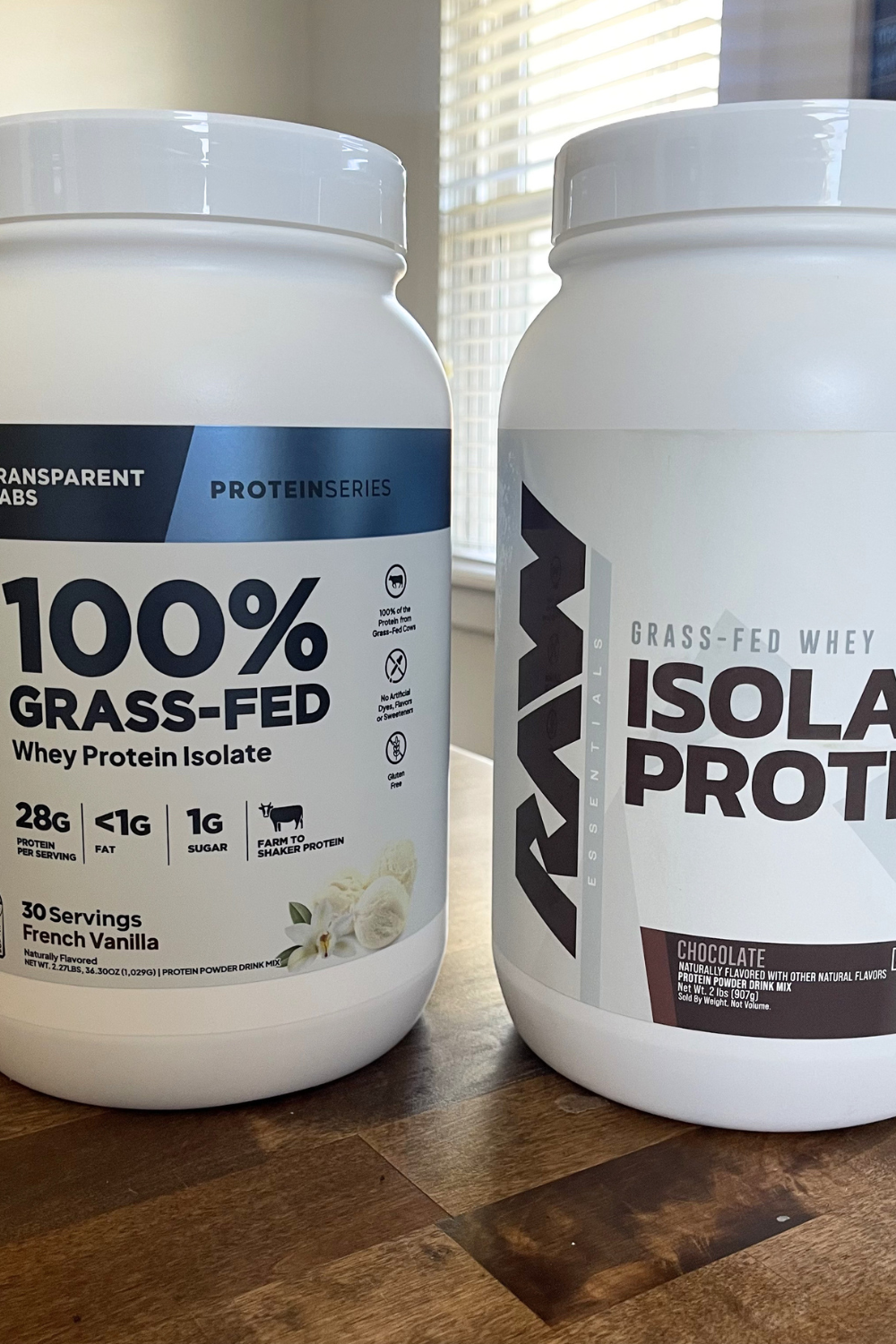
I personally have both of these in my pantry as we speak. I'm going to break down the differences and benefits to each as we progress through this blog post.
But you TRULY cannot go wrong with either one!
I've been consciously more aware of what I put in my body as food progressively gets worse.
So I hope this blog post helps you as much as doing the research helped me!
| Product Image | Product Name / Primary Rating | Primary Button |
|---|---|---|
|
|
|
|
|
|
|


What Actually Makes the Cleanest Protein Powder?
The phrase cleanest protein powder isn’t regulated. Any brand can use it.
So instead of trusting marketing, you need to know what to look for.
1. A Simple Ingredient List
A clean protein powder starts with a simple ingredient list.
That means:
- No artificial additives
- No unnecessary fillers
- No complicated chemical names
The best products rely on natural ingredients and keep things minimal.
This is one of the biggest differences between high-quality products and mass-market dietary supplements.
2. No Artificial Sweeteners or Artificial Ingredients
Many popular protein powders rely on:
- Sucralose
- Acesulfame potassium
- Artificial flavors
These fall under artificial ingredients and artificial additives, which can:
- Cause digestive discomfort
- Disrupt hunger cues
- Increase cravings in some individuals
Research has shown that artificial sweeteners may alter appetite regulation and gut microbiota, which can impact weight management.
Clean options instead use natural sweeteners like monk fruit, which provide sweetness without affecting blood sugar or adding calories.
3. High-Quality Protein Sources
Not all protein sources are equal.
A clean protein powder should come from:
- Grass-fed cows
- High-quality dairy-based proteins
- A properly filtered whey isolate
Avoid low-quality blends that rely heavily on:
- Whey protein concentrate
- Cheap protein blends
- Fillers to inflate protein content
The best protein powders provide a complete protein source with a full essential amino acids profile.
4. Third-Party Testing and Safety
This is one of the most overlooked factors.
Clean protein powders should be tested for:
- Heavy metals
- Banned substances
- Ingredient accuracy
Organizations like NSF Certified for Sport and Informed Choice exist for this reason.
Consumer Reports has also highlighted variability in protein powders when it comes to contaminants.
Choosing brands that prioritize third-party testing helps ensure you’re getting a safe, high-quality product.
I mean why wouldn't you prove that you're third party tested? It just goes to show you have NOTHING to hide!

5. No Added Sugar
Many protein powders include unnecessary added sugar, which can increase total calorie intake and slow fat loss progress.
A clean protein powder should have:
- Minimal sugar
- Controlled calorie intake
- A high protein-to-calorie ratio
Why Protein Intake Matters for Weight Loss
Protein is one of the most important factors for sustainable weight loss.
But not because it magically burns fat.
It works because of how it affects your body.
Protein Helps You Eat Less Without Trying
Protein is generally the most satiating macronutrient.
Higher protein intake has been shown to:
- Increase fullness
- Reduce hunger
- Decrease overall calorie intake
A systematic review found that high-protein diets significantly improved satiety and weight management outcomes.
This makes it easier to stay consistent without feeling restricted.
Preserves Lean Body Mass During Fat Loss
When you’re in a calorie deficit, your body can lose both fat and muscle.
That’s not what you want.
Protein helps preserve:
- Lean body mass
- Muscle tissue
- Strength
Research shows that higher protein intake combined with resistance training helps maintain lean muscle mass during weight loss.
This is one of the biggest reasons protein is so important.
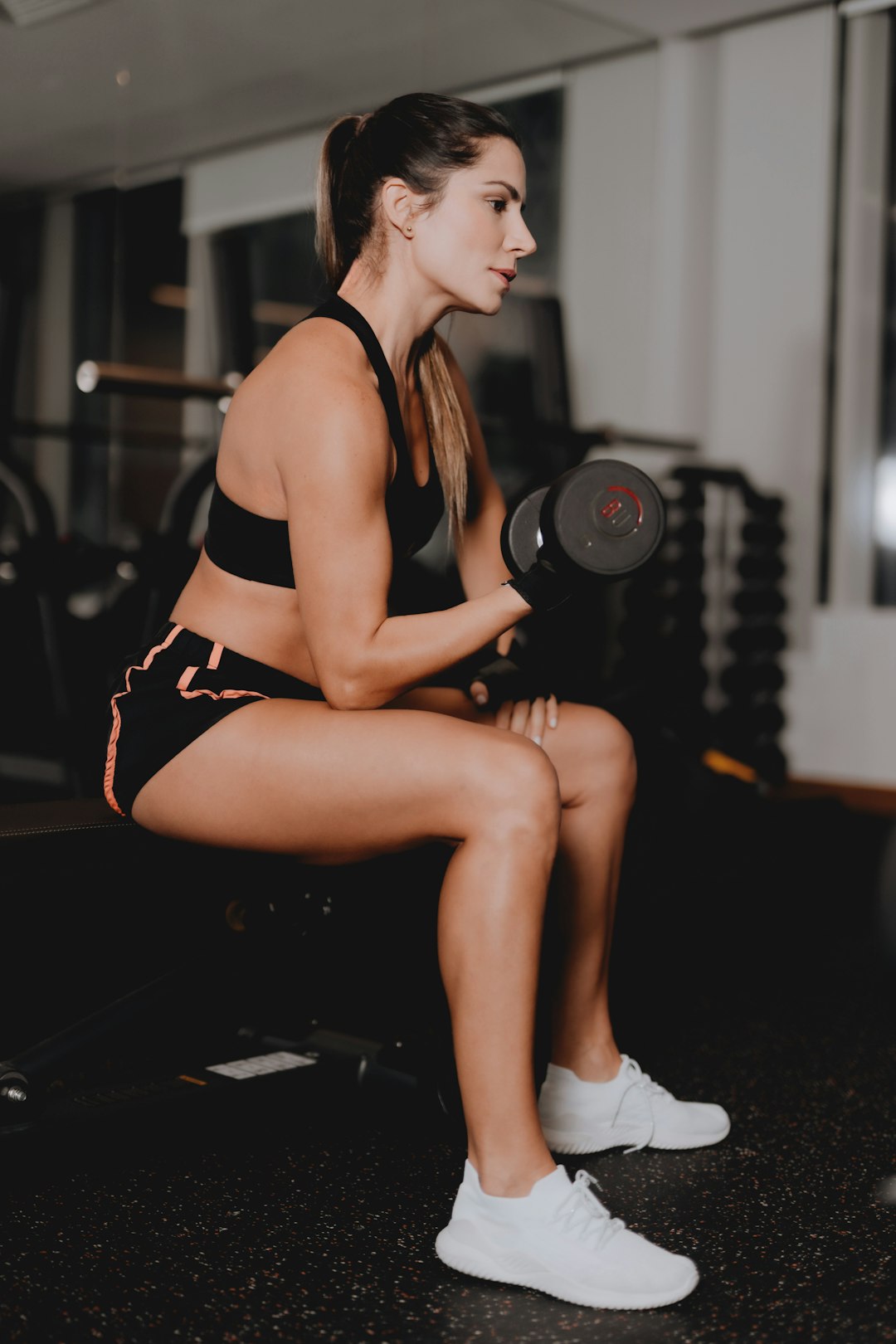
Supports Muscle Growth and Recovery
Protein provides the building blocks for:
- Muscle repair
- Muscle growth
- Recovery after training
It contains essential amino acids, including leucine, which plays a key role in muscle protein synthesis.
Recommended post:
Body Recomp: How to Burn Body Fat While Building Muscle
The Thermic Effect of Protein
Protein has a higher thermic effect than carbs or fats.
This means your body burns slightly more calories digesting it.
However, this effect is modest.
The real benefits come from:
- Satiety
- Muscle preservation
- Improved body composition
How Much Protein Do You Need?
Protein needs vary depending on your goals.
- Recommended dietary allowance: ~0.36g per pound
- Active individuals: ~0.7–1.0g per pound
- Fat loss + strength training: often higher
Meeting your protein needs consistently matters more than perfection.
Why Whey Protein Isolate Is Often the Best Option
While there are many protein options:
- Plant-based proteins
- Casein protein supplements
- Whey protein concentrate
- Whey isolate
For most people, whey protein isolate is one of the best options due to it's:
- High protein content
- Low fat and carbs
- Fast digestion
- Complete amino acid profile
It’s considered a gold standard protein source.
Whey protein has been shown to support muscle mass retention and fat loss in multiple studies.
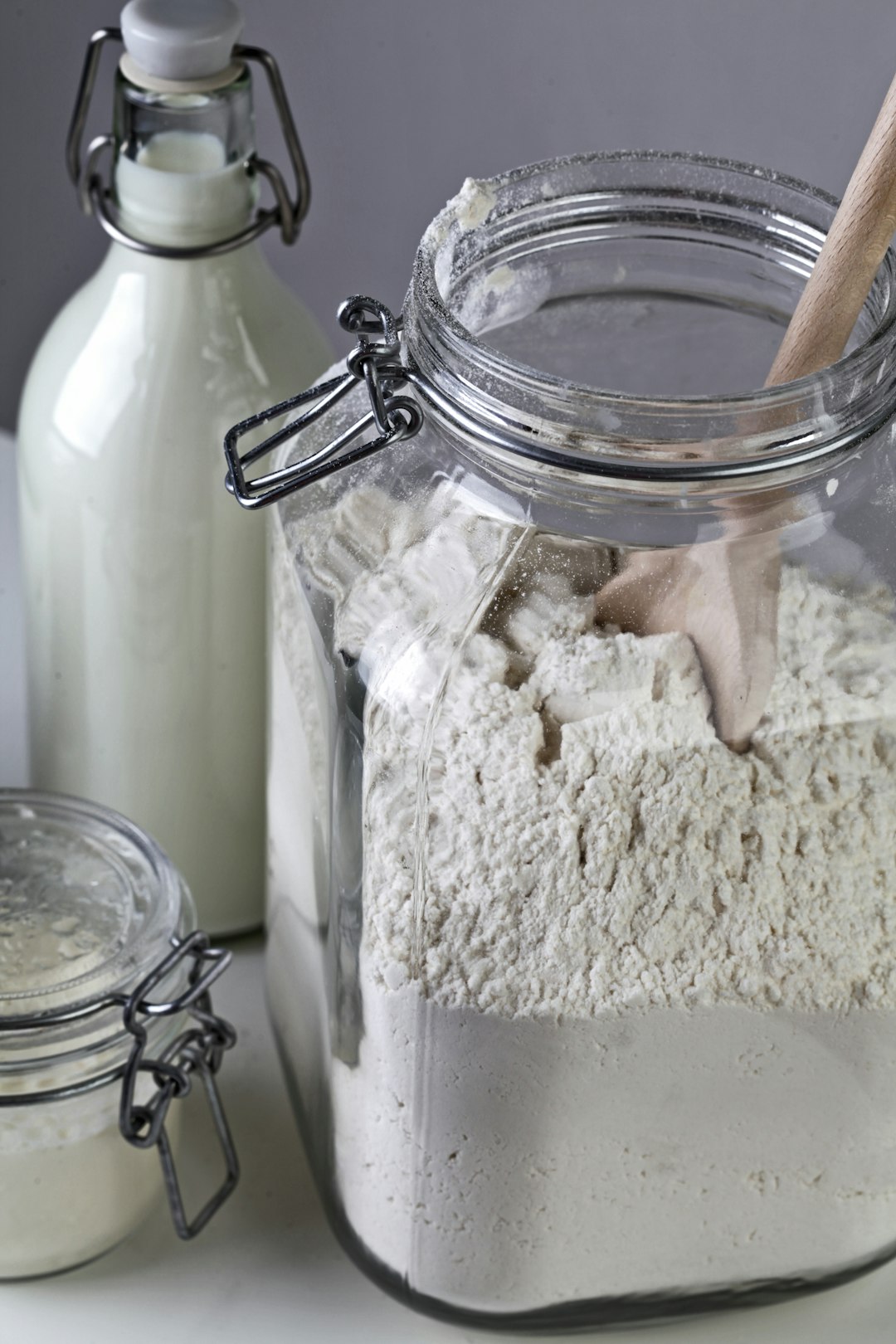
Why Whey Protein Isolate Is Easier to Digest Than Whey Concentrate
If you’ve ever felt bloated, gassy, or uncomfortable after a protein shake, the type of protein you’re using matters more than you think.
The biggest difference between whey protein isolate and whey protein concentrate comes down to how they’re processed and what’s left behind.
1. Lower Lactose Content
This is the main reason whey isolate is easier on digestion.
Whey protein concentrate contains more lactose, which is the natural sugar found in dairy.
For many people, especially those who are even mildly lactose sensitive, this can lead to:
- Bloating
- Gas
- Stomach discomfort
Whey protein isolate goes through additional filtration, removing most of the lactose.
That’s why it’s often a better option for sensitive digestion, even for people who don’t consider themselves lactose intolerant.
2. Higher Protein Purity
Whey isolate is more refined.
- Whey concentrate: typically ~70–80% protein
- Whey isolate: typically ~90% or higher protein
During processing:
- Whey concentrate is filtered once, leaving behind more:
- Lactose
- Fat
- Carbohydrates
- Whey isolate goes through additional filtration methods (like microfiltration or ion exchange), which remove more:
- Lactose
- Fat
- Non-protein components
This results in a higher protein content and a “cleaner” final product.
Because of this, your body can process it more efficiently without the “heavy” feeling some people get from concentrate.
3. Faster Absorption
Whey isolate is absorbed more quickly than concentrate.
This is especially helpful:
- Post-workout
- When your body needs quick amino acids
Faster absorption also tends to feel lighter on the stomach compared to slower-digesting protein sources.
Recommended post:
The Best High Protein Meals for Meal Prep
4. Fewer Potential Irritants
Whey concentrate can sometimes contain:
- More bioactive compounds
- Trace fats
- Residual dairy components
While not harmful, these can contribute to digestive discomfort in some people.
Whey isolate removes most of these during processing, making it a cleaner and more tolerable protein source.
5. Why This Matters for Weight Loss
If your protein powder makes you feel bloated or uncomfortable, you’re less likely to use it consistently. I've had this happen to me many times before diving into protein research.
And consistency is everything when it comes to:
- Hitting your protein intake
- Supporting fat loss
- Maintaining lean muscle mass
That’s why choosing a protein that digests well isn’t just about comfort. It directly affects your results.
If you’ve struggled with protein powders in the past, switching from whey concentrate to whey isolate can make a noticeable difference in how you feel.
Top Pick #1: Transparent Labs French Vanilla Whey Isolate
This is one of the cleanest protein powder for weight loss options available today.
Ingredient Quality
- Grass-fed cows
- Whey isolate only
- No artificial ingredients
- Sweetened with monk fruit
This aligns perfectly with what a clean protein powder should be.
Protein Content
- 28 grams of protein
- High protein-to-calorie ratio
- Supports lean body mass and fat loss
Digestive Enzymes
Includes digestive enzymes, which can help:
- Improve absorption
- Reduce bloating
- Improve digestion
Third-Party Testing
Transparent Labs prioritizes quality control and transparency, which I LOVEEEE about a brand!!
Why It’s a Great Option
I love this protein because I know that while I'm getting...
- Maximum ingredient transparency
- High-quality protein
- No artificial additives
It's also easy to drink and actually tastes good! I can drink it with water. Most protein powders I have to atleast use almond milk with.
Top Pick #2: RAW Chocolate Whey Isolate
RAW is another strong contender for me!
Ingredient Quality
- Simple ingredient list
- No excessive fillers
- Focus on high-quality ingredients
Protein Content
- 25 grams of protein
- Supports muscle growth and recovery
Taste and Texture
- Smooth texture
- Rich chocolate flavor
- Easy to mix in a shaker bottle
Why It’s a Great Option
RAW was the first clean protein powder I had. It will always be a staple in my pantry.
This is a great option if taste matters more to you but you still want clean ingredients.
Transparent Labs vs RAW: Which One Is Better?
Both are strong choices.
- Transparent Labs = cleaner, more minimal
- RAW = better taste, still high-quality
Your choice comes down to personal preference.
What About Plant-Based Protein Powder?
Plant-based protein powders are popular, especially among those following a vegan diet.
Pros
Cons
Research shows plant-based proteins can still support muscle growth when total protein intake is sufficient.
Common Mistakes When Choosing The Cleanest Protein Powder for Weight Loss
- Ignoring ingredient quality
- Choosing based on marketing
- Overlooking added sugar
- Not checking protein content
- Choosing low-quality protein blends
How to Use Protein Powder for Weight Loss
As with all supplements, protein powder is a tool, not a fat-loss product.
And when you use it correctly, it becomes one of the easiest ways to stay consistent with your nutrition, especially during a calorie deficit.
Weight loss always comes down to calorie intake versus energy expenditure, but protein plays a major role in how easy or difficult that process feels.
Instead of relying on willpower, protein helps you structure your day in a way that naturally supports fat loss.
1. Use It to Increase Protein Intake
One of the biggest struggles people face is hitting their daily protein intake through whole foods alone.
Between busy schedules, limited time to cook, and appetite fluctuations, it’s easy to fall short.
This is where a protein shake becomes a practical solution.
A high-quality whey isolate provides:
- A large amount of protein in a small serving
- A full essential amino acids profile
- A convenient way to support your daily protein needs
Research consistently shows that higher protein intake supports satiety, lean body mass retention, and overall weight loss outcomes.
Instead of trying to force more food, adding one protein shake per day can help you:
- Reach your recommended dietary allowance for protein
- Support muscle tissue maintenance
- Stay fuller longer
This is especially helpful for women trying to maintain a balanced diet without overeating.
2. Replace Low-Quality Snacks
One of the most effective ways to use protein powder for weight loss is to replace foods that don’t support your goals.
A protein shake can easily replace:
- Sugary snacks
- Processed foods
- High-calorie convenience foods
Instead of reaching for something that spikes your blood sugar and leaves you hungry again an hour later, a protein shake provides:
- Sustained energy
- Stable blood sugar
- Increased satiety
This helps reduce overall calorie intake without feeling restricted.
It’s not about eating less.
It’s about making better choices that keep you full longer.
3. Support Recovery and Muscle Growth
If you’re doing any form of strength training (which you should!! see my Beginners Strength Training post!) protein becomes even more important.
After a workout, your body is primed to absorb nutrients and begin repairing muscle tissue.
Protein provides the amino acids needed for:
- Muscle repair
- Muscle growth
- Recovery
Whey protein, in particular, is rich in leucine, which plays a key role in muscle protein synthesis.
This matters for weight loss because maintaining lean muscle mass helps:
- Support metabolism
- Improve body composition
- Prevent the “skinny fat” look
A simple post-workout protein shake in cold water using a shaker bottle is one of the easiest habits you can build.
4. Use It Strategically Throughout the Day
Protein powder doesn’t have to be limited to post-workout.
You can also use it:
- As a quick breakfast when you’re short on time
- As a high-protein afternoon snack
- As a way to balance meals that are low in protein
This flexibility makes it one of the most practical dietary supplements for real life.
Protein Powder vs Whole Foods
Protein powder is helpful, but it should never replace whole foods entirely.
A balanced diet should always be built on whole, nutrient-dense protein sources first.
Focus on:
- Lean meats
- Eggs
- Greek yogurt
- Fish
- Whole food protein sources
These foods provide more than just protein. They also contain:
- Vitamins
- Minerals
- Healthy fatty acids
- Additional nutrients your body needs
Protein powder simply fills in the gaps when whole foods aren’t enough.
Why Whole Foods Still Matter
Whole foods offer:
- Greater nutrient density
- Better long-term health benefits
- More variety in your diet
They also help support digestion and overall health in ways supplements alone cannot.
That said, it’s not always realistic to hit your full protein needs from food alone.
That’s where protein powder becomes a good option, not a replacement.
When Protein Powder Makes Sense
Protein powder is especially useful when:
- You’re busy and need something quick
- You’re struggling to hit your protein intake
- You’re in a calorie deficit and need low-calorie protein sources
- You want convenience without sacrificing nutrition
Think of it as support, not the foundation.
Final Verdict: The Cleanest Protein Powder for Weight Loss
You don’t need endless options, you just need the right protein powder.
My top 2 picks for the cleanest protein powder for weight loss are:
Whichever one YOU choose and you see is the best cleanest protein powder for weight loss.... is the one protein powder that makes consistency easier.
If it helps you:
- Hit your protein intake
- Stay in a calorie deficit
- Support muscle growth
- Maintain a balanced diet
Then you've got a winner and that’s what leads to real results.
Other Beginner Nutrition Posts You'll Love:
xoxo,

*Disclaimer: The suggestions provided in this blog post are for informational purposes only and should not be considered as a substitute for professional medical advice, diagnosis, or treatment. Always consult with a qualified healthcare provider before making any significant changes to your health and wellness routines. I am not a doctor and the information presented is based on research and personal experience. Individual results may vary, and any actions taken based on the information in this blog post are done at your own risk. It's essential to consult a healthcare expert for personalized guidance tailored to your specific health needs and circumstances. Your health and well-being should always be a top priority, and professional medical guidance is crucial for making informed decisions about your health.