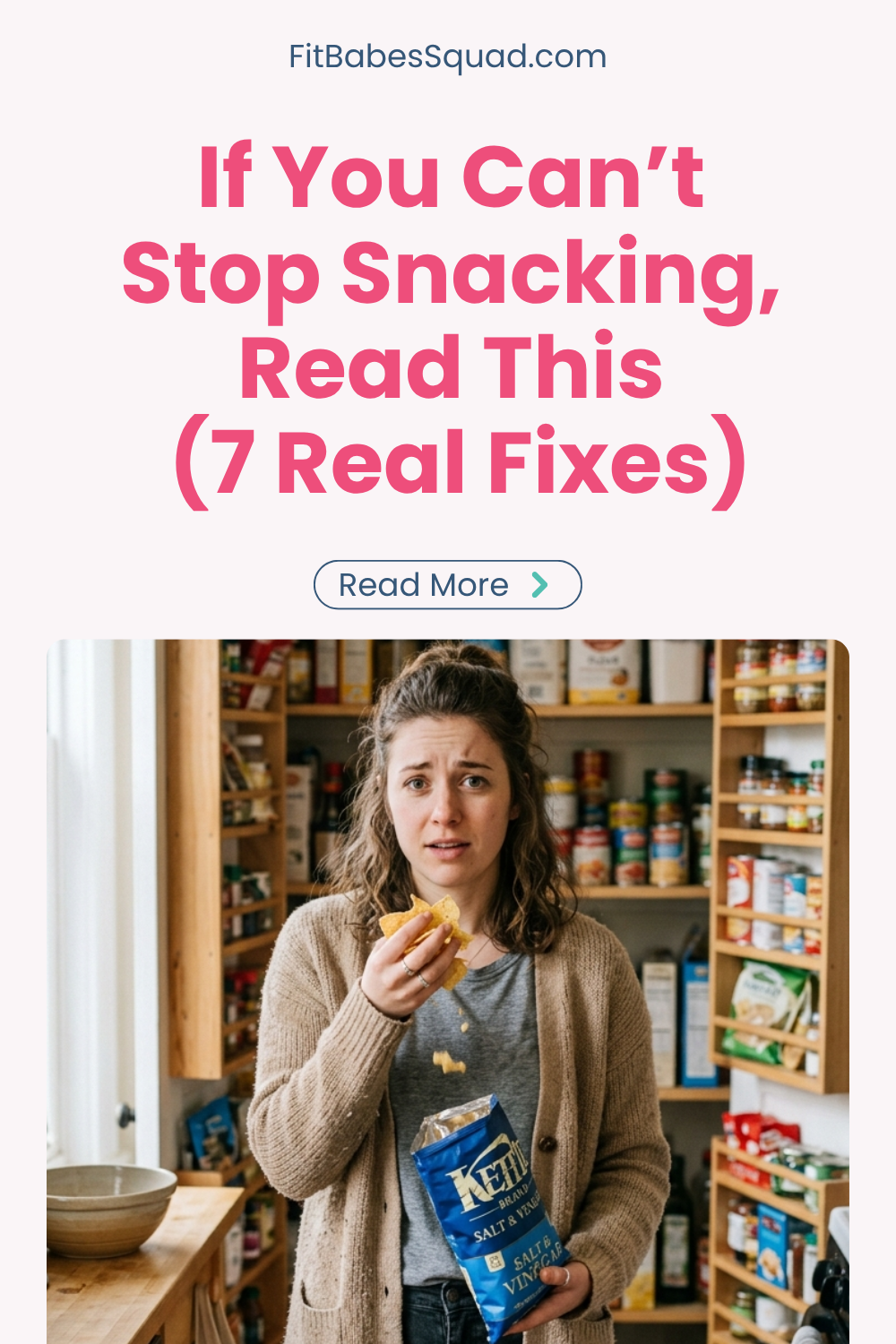
You grab a bag of chips at 10:30, a handful of snacks at 1:00, something sweet at 3:00…
and somehow you’re still hungry by dinner.
Or maybe you’re not even hungry.
It just feels automatic.
Because snacking usually isn’t about lack of discipline.
It’s about habits that quietly take over your day.
I know this because I’ve been there. At my worst, I remember sitting on the kitchen floor, crying, while eating an entire package of Oreos and feeling completely out of control..
All hope is NOT lost. Let's get you back on the right track with these 7 solutions for how to stop snacking throughout the day!
7 Solutions: How to Stop Snacking Throughout the Day
Step 1: Fix Your Main Meals First (This Changes Everything)
If your meals aren’t satisfying, you will snack. Period.
Protein is non-negotiable and most beginner women are severely under-eating protein. It's not even our faults because we were never taught in school how much protein to eat...
But protein is one of the BIGGEST reasons why you feel hungry all day.
A good starting point is:
- 20 to 30 grams of protein per meal
This keeps you full for hours and reduces cravings.
Why carbs alone keep you snacking
Toast, cereal, granola bars, or smoothies without protein spike your energy, then drop it quickly.
That drop creates cravings.
Simple meal formula
In order to prevent blood sugar crashes, create meals like this:
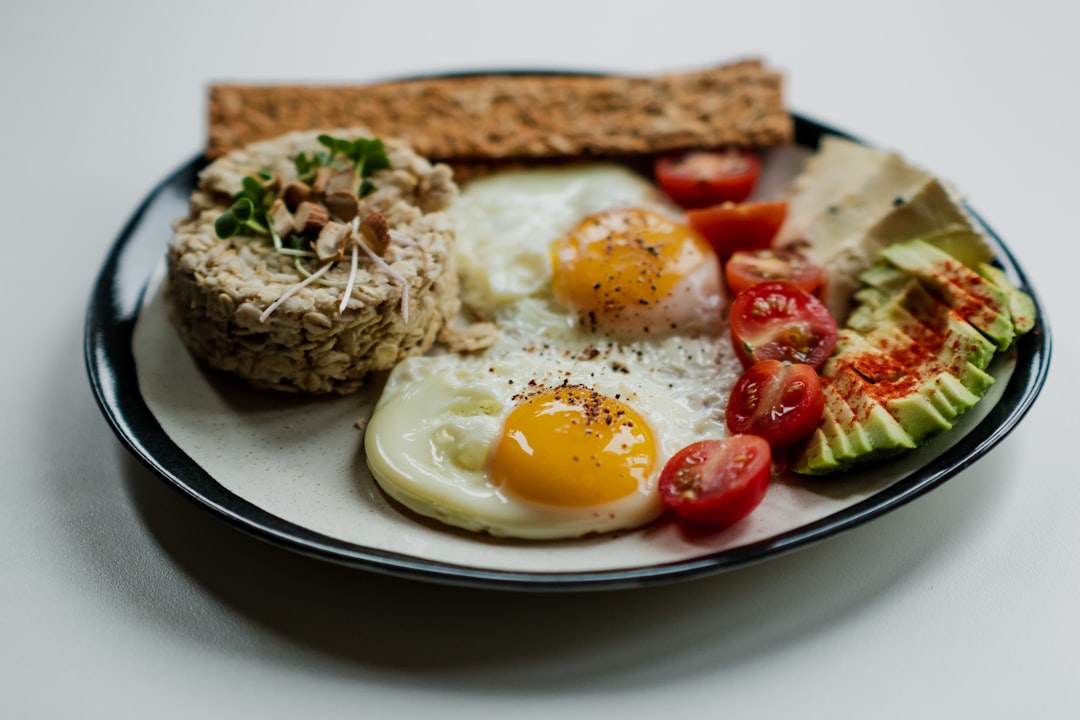
- Protein (chicken, eggs, Greek yogurt)
- Fiber (veggies or fruit)
- Healthy fats (avocado, nuts)
This combination keeps you satisfied for hours.
Step 2: Break the Snacking Habit Loop
This isn't just about willpower. You need to interrupt your daily patterns.
Identify your trigger times
Look at when you snack the most:
- Mid-morning
- Mid-afternoon
- Late at night
Those are your habit windows.
Replace, don’t remove
Trying to “just stop” snacking right off the bat usually backfires.
Instead:
- Replace chips with something natural - nuts, celery, whatever will satisfy that type of craving you have
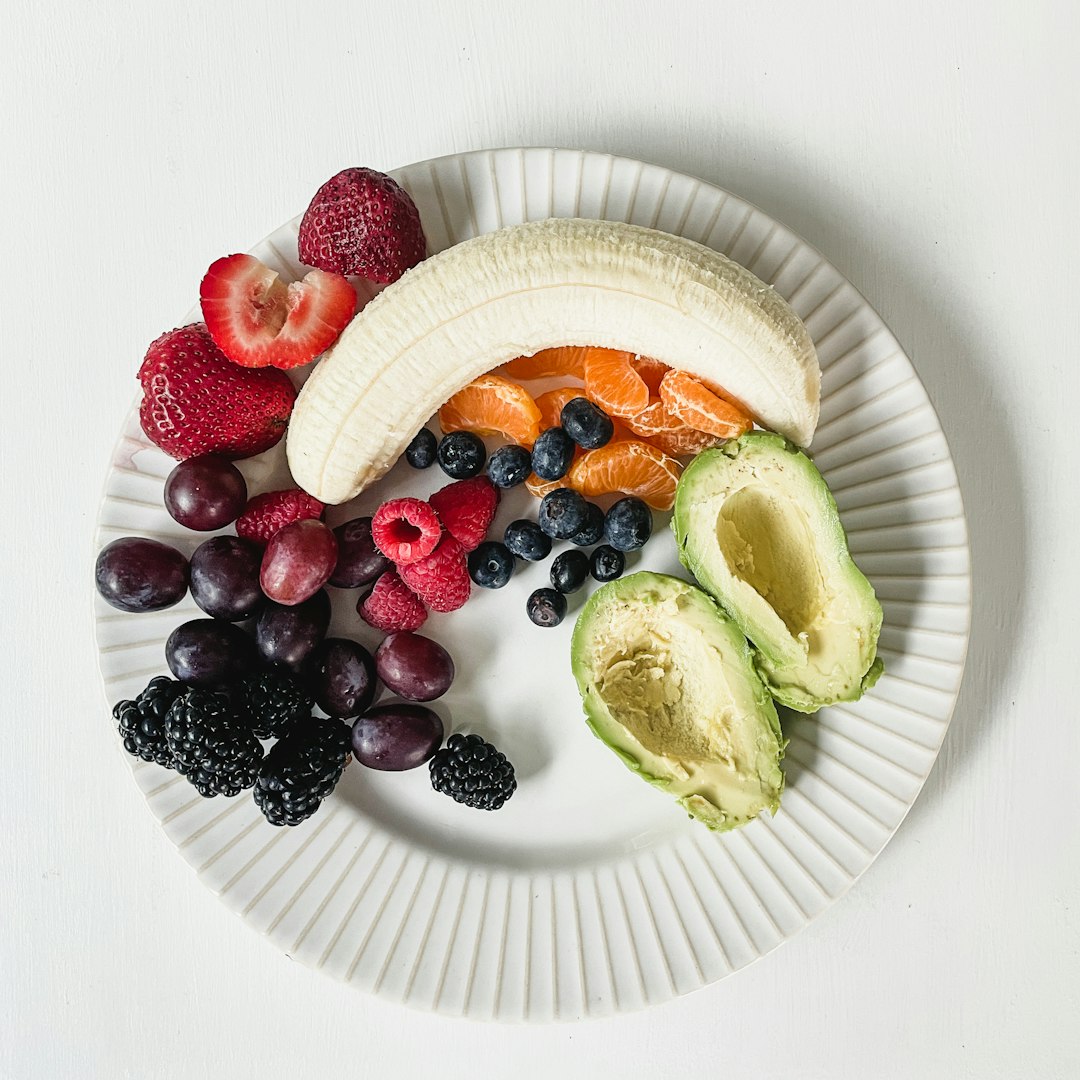
- Replace candy with fruit
The pause rule
Before grabbing a snack, pause for 5 minutes.
Ask yourself:
- Am I actually hungry?
- Or just bored, stressed, or avoiding something?
That pause alone breaks the automatic cycle. Also, drink water while you wait. Sometimes being dehydrated will cause "craving" feelings.

Step 3: Change Your Environment (This Is Huge)
This is where things quietly go wrong for most of us without realizing it.
Your environment is either helping you or sabotaging you.
Out of sight rule
If snacks are visible, you will eat them more.
Move them:
- Out of the kitchen counter
- Into cabinets
- Or stop buying them as often
Portion control strategies
Look, I love grabbing a box or bag and taking it to the couch like the next girl.
But eating straight from the bag almost always guarantees overeating.
Instead:
- Put snacks in a bowl
- Pre-portion servings (I use and LOVE this food scale)

Kitchen boundaries
Create simple rules:
- No eating while standing
- No eating directly from packages
- No random kitchen trips (I struggle with this one!)
These small boundaries create structure.
Step 4: Use “Structured Snacks” Instead of Random Grazing
Snacking itself is not the problem. Mindless snacking is.
What counts as a real snack
A real snack should:
- Have protein
- Actually satisfy you
- Keep you full for at least 2 hours
Best high-protein snack ideas that I LOVE
- Greek yogurt with berries and walnuts
- Apple with peanut butter
- Protein shake (my favorite protein that I recommend to EVERYONE, linked here!)
- Boiled eggs
- and cottage cheese (which I don't love, but if you do it's a great source of protein!)
If you struggle with convenience, having a simple protein powder on hand makes this 10x easier. You can just mix it and move on instead of grabbing random snacks.
This is the exact type of option I recommend keeping on hand:

A simple option like a clean whey protein powder mixed with almond milk can stop a snack spiral before it starts. (This is where I personally recommend having one on hand because it removes decision fatigue.)
I reach for my protein first when I get a snack craving!
If I'm still feeling snacky, 10ish minutes later, I'll grab another healthy snack.
Why structure snacks work
Structured snacks remove the chaos and the staring in the cabinets waiting for something better to appear lol.
You’re no longer grazing when you have healthy snack options. You’re fueling.
Step 5: Fix the Mental Side of Snacking
This part matters more than most people realize. Our mindets affect SO much of what we do on a day-to-day basis.
Get rid of the “I already messed up” mindset
One snack turns into five because you feel like the day is ruined by grabbing something that you didn't have "planned" to eat.
I'm all about meal tracking through an app like MyFitnessPal, but when you just need an extra snack it's okay!
The "I messed up" mindset keeps the bad cycle going. One snack is just one snack. Give yourself grace and move on. Don't dwell on the decision.
Learning hunger vs habit
Real hunger:
- Builds gradually
- Can be satisfied with a full meal
Habit hunger:
- Feels urgent
- Craves specific foods
- Disappears if you get distracted
Give yourself structure
Freedom without structure often leads to chaos.
Instead of “eat whatever whenever,” try:
- 3 meals
- 1 to 2 planned snacks
This my exact strategy. By planning two snacks within your day, it can dramatically reduce grazing.

6. Fix Your Sleep
Sleep directly affects your hunger, cravings, and energy.
Sleep deprivation increases hunger hormones and cravings for sugar and high calorie foods.
When you don’t get enough quality sleep:
- Your body wants quick energy
- Your appetite increases
- You crave junk food
Even healthy adults struggle with constant grazing when sleep is off.
Getting enough quality sleep supports overall health, better food choices, and fewer negative effects from stress.
If you’re serious about stopping mindless eating, prioritize your sleep.
A hill I will die on because I can't stop shouting about how helpful it is... is using magnesium glycinate every night to give me deep sleep.
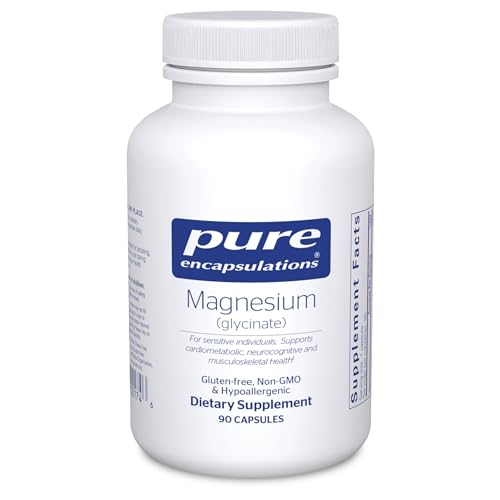 Pure Encapsulations Magnesium (Glycinate)
I take this every single night for the deepest sleep. I never wake up groggy like other sleep supplements aka melatonin.
7. Track Patterns With a Food Journal
You don’t need to obsessively track every calorie. But the awareness you get when you input foods into a food diary, like MyFitnessPal, is unreal.
Keeping a simple food journal for a week can reveal:
- The main reasons you snack
- The time of day snack attacks hit
- Whether you’re eating regular meals
- If you’re getting enough protein (this is probably your #1 culprit)
Weight loss experts and even registered dietitian professionals often recommend this as a starting point.
It helps identify the underlying cause instead of blaming yourself.
Sometimes the best thing you can do is gather data, analyze it and make the changes necessary!
Why You Keep Snacking All Day (It’s Not What You Think)
Most people assume they snack too much because they lack discipline.
That’s not the real issue.
Habit loops and autopilot eating
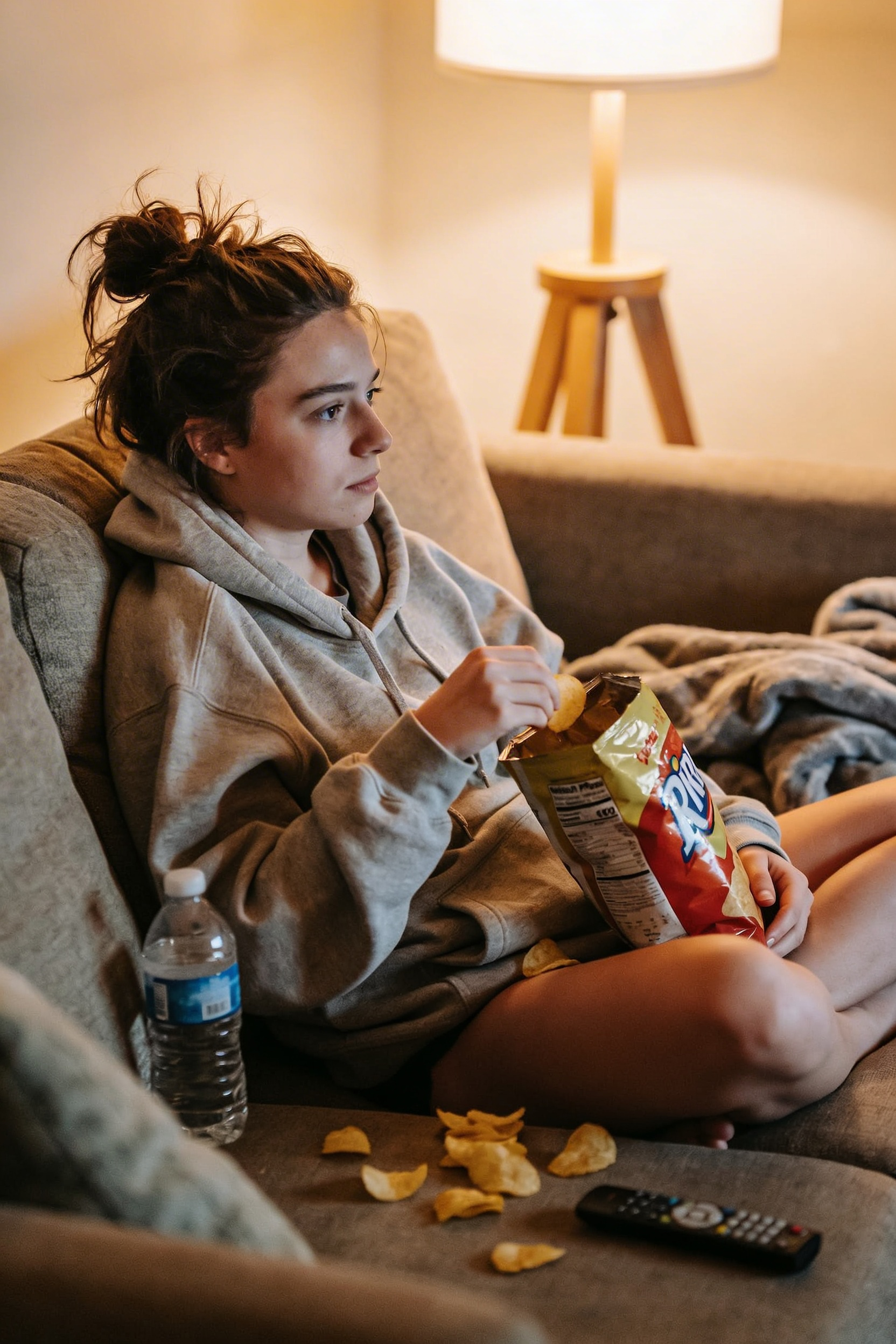
Snacking often becomes automatic. You sit down to work, you reach for food. You watch TV, you grab something without thinking.
I'm the girl who loves to munch while watching TV. It took me a solid two weeks to break that habit but it CAN be done! I replaced snacking with keeping my hands busy with another task.
Your brain links activities with eating. So sit down and figure out what those activities are and how you can modify it.
Blood sugar crashes from poor meals
Meals that are low in protein and high in quick carbs will leave you hungry FAST. That mid-morning or afternoon snack urge is often your body trying to stabilize energy.
Emotional and boredom triggers
Snacking fills gaps. Stress, boredom, procrastination, even loneliness.
Food becomes something to do, not something you actually need.
Once you understand the emotional triggers behind your eating, everything starts to shift.
What a Day Without Constant Snacking Actually Looks Like
Here’s what this might look like in real life. Notice the protein in every single meal:
Breakfast
Eggs, toast, fruit
Lunch
Chicken salad with veggies and dressing
Snack
Greek yogurt with berries
Dinner
Protein, carbs, veggies
No random handfuls and no constant grazing.
Just intentional eating.
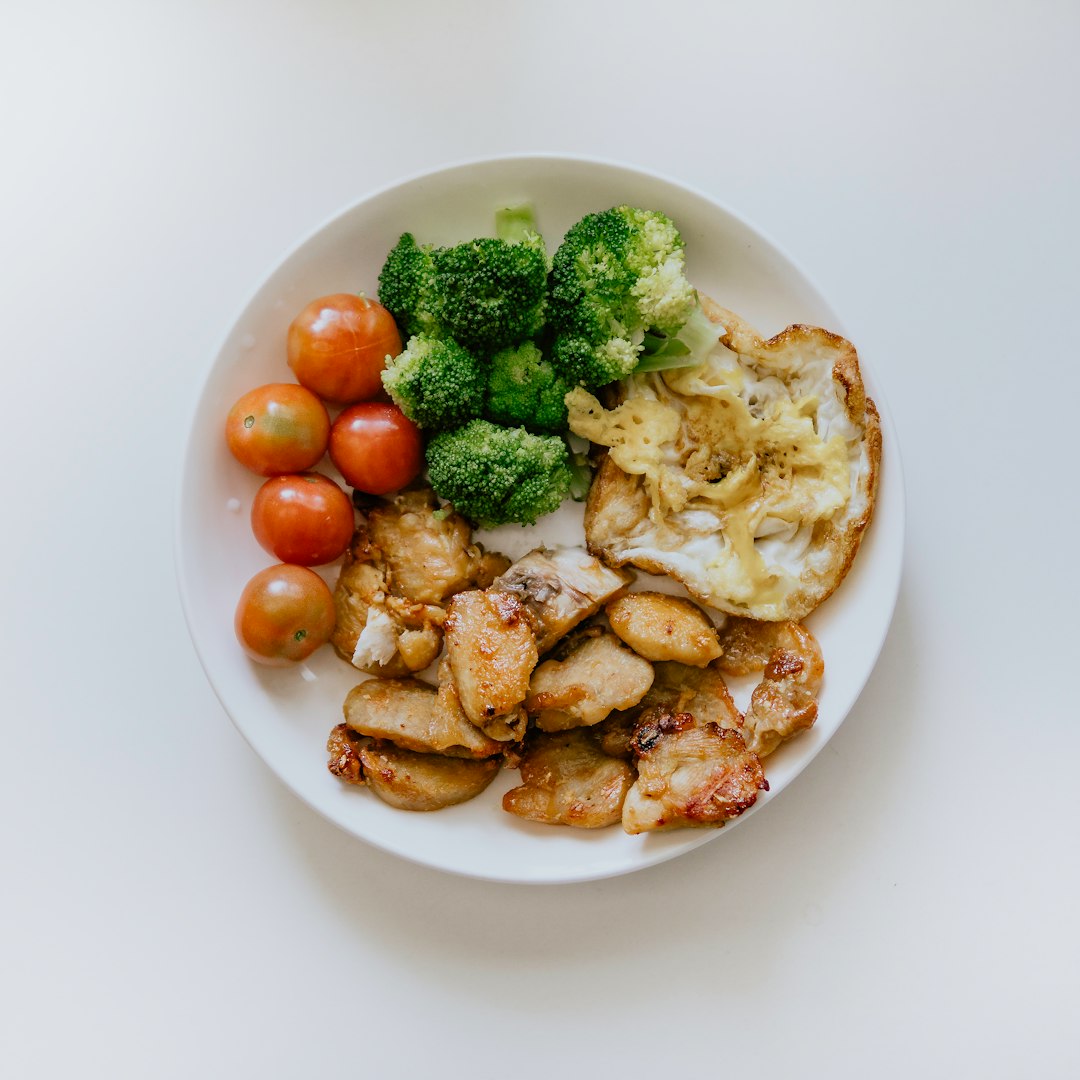
If you struggle with what to eat during the day, starting with this recommended post will make things way easier:
Recommended post:
The Best High Protein Lunch Meal Prep
Here’s what most people don’t realize. Constant snacking isn’t just about calories. Constant snacking keeps your body stuck in a cycle.
When you reduce mindless snacking and focus on balanced meals at regular intervals, a few important things happen:
- Your food intake becomes more intentional
- You’re more likely to stay within a supportive calorie range
- Your hunger hormones stabilize
- Your energy levels stay steady instead of crashing
Choosing nutrient dense snacks when you truly need them, instead of constant grazing on snack foods, helps prevent excess calories without extreme restriction.
And that matters for more than just the scale!
Maintaining a healthy weight supports overall health, reduces risk of heart disease, and protects long-term metabolic health. It also helps you feel more in control of your eating habits instead of feeling like food is running the show.
Stopping unnecessary snacking is not about eating less food overall. It’s about eating enough at your main meals so your body doesn’t need to chase quick fixes all day.
What to Do When Snack Attacks Hit Out of Nowhere
This is the moment most people lose control.
Even if your meals are solid and your habits are improving, there will still be moments when snack attacks show up unexpectedly.
Mid-afternoon.
Late at night.
Right after dinner.
Instead of white-knuckling it, use a simple pause strategy:
- Ask: “When was my last main meal?”
- Check: “Did I eat enough protein and whole grains?”
- Rate your hunger from 1–10.
If you’re genuinely hungry, it’s a good idea to have a balanced snack instead of pretending you’re not.
A high protein option with healthy fats is usually the best thing you can do in that moment.
If you’re not hungry, change your environment.
- Go for a short walk
- Brush your teeth
- Make tea
- Step away from the kitchen
Most constant snacking patterns are tied to environment and routine, not just food. Changing the moment often breaks the pattern.
The next time it happens, treat it like a learning moment instead of failure.
The Truth People Aren't Talking About When It Comes to Snacking
Yes discipline helps. But you need better systems.
Once your meals are balanced, your environment supports you, and your habits are intentional... the urge to snack all day starts to fade.
Not perfectly. And definitely not overnight.
But noticeably changes start happening.
Quick Recap: Top Tips for How to Stop Snacking Throughout the Day
If you’ve been stuck in constant snacking, it doesn’t mean something is wrong with you.
It means your current setup isn’t working.
Fix the meals.
Fix the environment.
Interrupt the habit loops.
That’s how you take control back.
You don’t need to fear snacks.
You just need to structure them.
The next time you feel that automatic urge to snack, pause and ask what your body really needs (always remember protein!)
That pause is where control starts and you own your decisions!!
This guide definitely covered all things for how to stop snacking throughout the day without feeling deprived.
If you’re tired of feeling out of control with food, you need structure, not more restriction. Start with my 7-Day Fat Loss Kickstart above.
It’s designed for beginners who need clarity, not confusion.
This is the easiest way to go from constant snacking to feeling in control again.
Other Beginner Posts You'll Love:
xoxo,

*Disclaimer: The suggestions provided in this blog post are for informational purposes only and should not be considered as a substitute for professional medical advice, diagnosis, or treatment. Always consult with a qualified healthcare provider before making any significant changes to your health and wellness routines.