I know that if you’re searching for an out of shape workout, chances are you’re feeling a little overwhelmed right now.
Maybe you haven’t exercised in a long time, your energy levels are low or your body feels stiff, heavy, or just not like it used to.
And somewhere in the back of your mind, you’re wondering how you let it get this far. I've been there. I know exactly how you're feeling.
First, let’s clear something up.
Being out of shape is not a character flaw. Nothing is wrong with you or your desire to be you're absolute best.
It simply means your current fitness level isn’t where you want it to be. That’s all. The good news is that your body is incredibly adaptable.
With the right workout routine, you can rebuild strength, improve your physical health, and start moving toward your fitness goals without shocking your system.
This isn’t about punishment. It’s about rebuilding.
*Disclaimer: The suggestions provided in this blog post are for informational purposes only and should not be considered as a substitute for professional medical advice, diagnosis, or treatment. Always consult with a qualified healthcare provider before making any significant changes to your health and wellness routines. I am not a doctor and the information presented is based on research and personal experience. Individual results may vary, and any actions taken based on the information in this blog post are done at your own risk. It's essential to consult a healthcare expert for personalized guidance tailored to your specific health needs and circumstances. Your health and well-being should always be a top priority, and professional medical guidance is crucial for making informed decisions about your health.
What an Out of Shape Workout Should Actually Do
When you’re starting from a lower fitness baseline, your exercise routine needs to focus on three things:
- gradual strength training
- manageable cardiovascular work
- enough recovery to let your body adapt
Trying to jump into heavy weights, advanced circuit training workouts, or high-intensity sessions right away is one of the biggest mistakes beginners make.
That approach increases the risk of injury and usually leads to burnout within a few weeks.
Instead, your workout plan should feel doable.
Challenging, yes. Overwhelming, no.
Progress happens when you give your body consistent signals to adapt. That means regular exercise done with proper form and a realistic structure.
Step One: Rebuild Your Base with Low Impact Cardio
Before worrying about building muscle or pushing intensity, it helps to improve your aerobic base.
Low-impact cardiovascular exercises are a great way to ease back into physical activity, which makes them perfect when you’re starting an out of shape workout and rebuilding your fitness base.
A brisk walk around your neighborhood works.
A quick walk at your local park works.
Time on a stationary bike works.
Even a 20 minute home workout that alternates walking and light movement is enough to get started.
You don’t need a lot of time.
Even with a busy schedule, committing to 20 to 30 minutes three or four days per week can dramatically improve energy levels and support weight loss over time.
Consistency matters far more than intensity in the beginning.
What I HIGHLY recommend for just getting started again is this walking pad. It inclines and is perfect to get you back in the habit of movement while you're watching your favorite netflix episode.

Step Two: Add Beginner Strength Training
Strength training is one of the absolute best ways to change body composition, increase muscle mass, and improve overall health.
Many beginners assume weight training is only for advanced gym-goers, but building muscle is essential at every stage of your fitness journey.
You do not need heavy weights to start. In fact, starting with bodyweight exercises or light weights is a good idea while you learn proper form.
A simple full-body strength workout routine two or three times per week is enough. Focus on movements that target different muscle groups across your entire body.
- Squats strengthen the lower body.
- Modified push-ups build upper body strength.
- Glute bridges activate your hips.
- Light dumbbell rows help your back.
- Step-back lunges challenge balance and coordination.
Pay attention to range of motion and correct form. Your body will respond better to controlled movements than rushed repetitions. Fewer reps done well will give you better results than rushing through sloppy sets.
As your body adapts, you can gradually increase weight training intensity.
Add a few reps of each exercise. Move to slightly heavier weights. Slow the tempo.
Building muscle safely takes time, and that’s completely normal.
You'd rather make sure you're doing it right from the beginner, than continue to lift heavy with bad form.
Helpful Beginner Strength Training Equipment:


First Workout Example
Here’s exactly what your "Day One" can look like:
Start with a 5-minute brisk walk to warm up.
Then complete:
- Bodyweight squats: 8 to 10 reps
- Wall or knee push-ups: 6 to 8 reps
- Glute bridges: 10 reps
- Dumbbell rows (light weights): 8 reps per side
Rest about 60 seconds between exercises.
If you feel good, repeat the circuit one more time.
Finish with:
- 5 minutes of walking
- Light stretching
The entire workout should take about 20 to 25 minutes.
You should leave feeling like you could have done a little more, not completely exhausted. That’s exactly where you want to be on day one!
Now let’s put this into a realistic weekly structure to get you back on track.
Recommended post:
Top Gym Anxiety Tips to Have You Feeling Like a pro
A Simple Weekly Workout Plan
Your new routine doesn’t need to be complicated, especially when you're following an out of shape workout designed for beginners.
Use the First Workout Example above for your two strength training days each week. That keeps things simple and prevents you from overthinking it.
A realistic structure might look like this:
Monday: Full-body strength workout (use the routine above)
Tuesday: Brisk walk or stationary bike
Wednesday: Rest day
Thursday: Full-body strength workout (repeat the same routine)
Friday: Light cardio
Weekend: Optional walk, yard work, or active recovery
Repeating the same strength workout for the first few weeks is not boring, even though it could feel that way, it’s smart.
Your body needs repetition to build coordination, strength, and confidence.
Getting yourself to "just go" the first few weeks is the most challenging part. So allow yourself the ability to not stress what workout you think you need to do.
Follow this plan and in two Mondays from now, you'll be ready to move on!
Recovery isn’t optional.
A rest day isn’t falling behind, it’s how your body actually adapts. So give yourself the permission to relax and recover on your rest day.
What to Expect in the First Few Weeks of an Out of Shape Workout
During the first week, you may feel mild soreness.
That’s normal. Severe pain is not.
Delayed onset muscle soreness should feel manageable, not debilitating. Even though I think we've all been to the point we have to walk ourself down the wall to sit on the toilet haha.
By week two or three, movements feel smoother.
Your heart rate recovers faster.
Endurance increases.
Your body feels more capable.
And this is great, this is EXACTLY where you want to be.
After a month, you may notice subtle changes in muscle tone and posture. Weight loss may begin if your nutrition supports it (because remember, we can't out-train a bad diet).
The most important thing during this stage is patience.
I know how hard it is. To get on the scale day after day, or look in the mirror and "see no change". But I PROMISE you, it's working!!
Stay consistent babe. Consistency compounds. Small efforts done week after week create changes that intense bursts never will.
To combat the soreness you're going to feel (or are feeling), try BCAAs. Some trainers may say this is unnecessary, but from my own personal experience, especially when training new workouts, they help *tremendously*.
BCAAs (branched-chain amino acids) are three essential amino acids that play a role in muscle recovery:
- Leucine
- Isoleucine
- Valine
Your body cannot make them on its own, so they have to come from food or supplements.
 XTEND Sport BCAA Powder Strawberry Kiwi Splash
BCAAs reduce muscle soreness by repairing the muscles with branch chain amino acids!
How BCAAs Help With Muscle Soreness
1. Reduce muscle breakdown during workouts
Exercise causes tiny tears in muscle fibers. BCAAs, especially leucine, help reduce how much muscle protein is broken down during intense training. Less breakdown can mean less post-workout soreness.
2. Support muscle repair
BCAAs stimulate muscle protein synthesis, which is the process your body uses to rebuild damaged muscle fibers. Faster repair can shorten recovery time.
3. Lower exercise-induced muscle damage markers
Some studies show BCAAs reduce markers like creatine kinase, which increase when muscles are damaged from hard workouts.
4. May reduce delayed onset muscle soreness (DOMS)
DOMS is the soreness that appears 24–48 hours after a workout. BCAAs can slightly decrease the severity of this soreness for some people, especially if protein intake is low.
Why an Out of Shape Workout Improves More Than Just Your Body
Many people start an out of shape workout because they want to lose weight.
Fat loss is often the first goal, and that motivation can be a powerful starting point.
Sustainable weight loss does require calorie awareness, but regular strength training also plays an important role by helping preserve muscle mass and supporting long-term metabolic health.
Cardio increases calorie burn during activity, while strength training helps maintain lean tissue and build muscle over time.
When these two forms of exercise work together, they create a powerful foundation for improving physical fitness, body composition, and overall health.
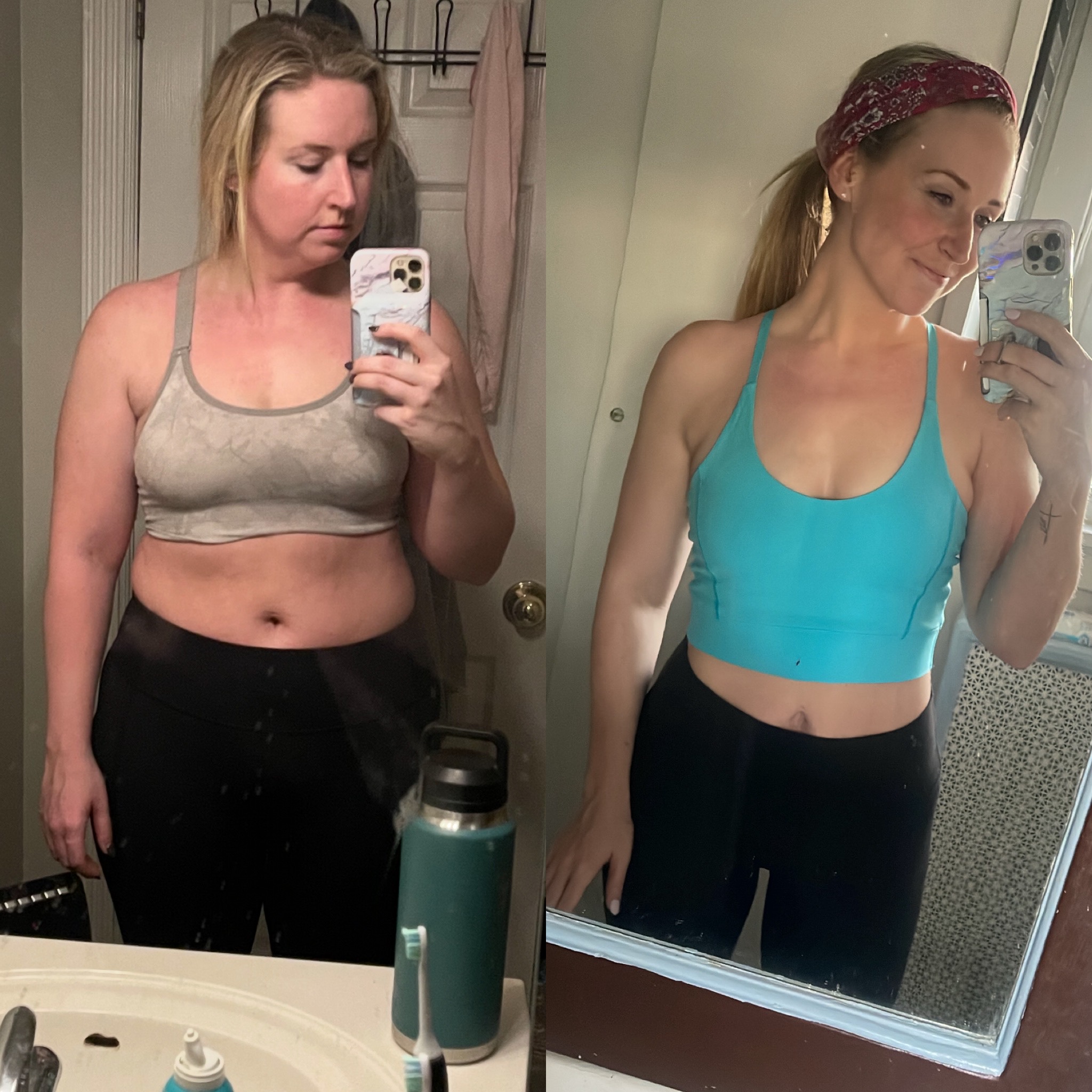
But the impact goes far beyond the scale.
Consistent movement improves mental health just as much as physical health.
Exercise helps regulate mood, lowers stress hormones, and boosts mood-regulating chemicals in the brain. As your energy levels rise, daily life starts to feel easier and more manageable.
Sleep improves. Confidence grows. And focus sharpens.
Over time, regular strength training and cardio also reduce risk factors associated with heart disease and other chronic conditions. What starts as a simple fitness routine becomes a powerful investment in your long term well-being.
Eventually, something shifts.
Instead of feeling like your body is working against you, it starts working for you.
Do You Need a Personal Trainer?
Some people thrive with guidance from a personal trainer, especially if they’re unsure about proper form.
A qualified trainer can tailor an exercise program to your personal goals and current fitness level.
However, hiring a personal trainer is not required to succeed. Many beginners can follow a structured fitness routine at home and see better results simply by being consistent.
If you choose to use a fitness app, treat it as a guide, not a rulebook. The best exercise plan is one that adapts to your life, not one that creates stress.
When to Add More Intensity
Once this routine starts to feel manageable, usually after a few weeks, you might feel ready for a little more. That’s when circuit training can be introduced.
A basic circuit training workout keeps your heart rate elevated while moving through strength exercises back to back.
Even then, progression should feel gradual. The intensity of your workouts should increase slowly, not overnight.
Your body will tell you when it’s ready. If soreness becomes extreme or you experience delayed onset muscle soreness that interferes with your next workout, scale back slightly and focus on recovery.
And before we wrap this up, let’s quickly talk about what not to do.
Avoiding the Biggest Out of Shape Workout Mistakes
Lifting too much weight too soon usually leads to frustration.
Skipping your warm up can leave your body stiff and more vulnerable than it needs to be.
Jumping straight into squat jumps or advanced movements before building foundational strength often does more harm than good.
Even comparing yourself to fitness experts or seasoned gym routines can quietly create pressure that doesn’t help you progress.
A better approach is simpler.
Focus on what your body needs right now. Choose simple exercises. Move at your own pace. Let strength build gradually.
That steady approach is what actually works in the long run.
What If You Feel Embarrassed?
I've been the one thats embarrased! I know that feeling TOO well.
Plenty of beginners avoid starting because they feel self-conscious at the gym. Home workouts are perfectly effective.
Bodyweight exercises are legitimate strength training. And yes, walking is real exercise.
Physical fitness does not require fancy equipment or trap bars.
Many personal trainers agree that building consistency matters more than the equipment you use.
Recommended post:
The Best Gym Anxiety Tips for all Beginners
How to Know It’s Working
Progress doesn’t always show up on the scale first.
You may notice improved energy levels and find that your daily routine starts to feel easier. Climbing stairs no longer leaves you breathless, your confidence grows, and your body begins to feel stronger.
Those changes matter.
When you stay consistent with regular exercise, small improvements compound.
FAQ: Out of Shape Workout for Beginners
How often should I do an out of shape workout?
Aim for three to five days of physical activity per week. Two to three days of strength training combined with low impact cardio is ideal for most healthy adults.
How long should each workout be?
Thirty minutes is enough. Even a 20 minute home workout can improve physical health when done consistently.
Should I focus on cardio or strength training first?
Both matter, but strength training supports long term weight loss and muscle mass retention.
Plus you want to give more energy towards your lifts, so I always recommend strength training first!
But combining both produces better results than doing only cardio.
Is it okay to start with light weights?
Yes. Light weights help you learn proper form and reduce risk of injury. Heavy weights can come later once your body adapts.
What if I feel too out of shape to start?
Start with walking. Increase the number of steps gradually. Every fitness journey begins somewhere.
Do I need a personal trainer?
A personal trainer can help with accountability and form correction, but many beginners succeed with a structured workout plan at home.
How do I know if I’m progressing?
Look for improvements in energy levels, strength, endurance, and how your body feels during daily life. Those signs matter more than the scale alone.
When will I see results?
Visible changes may take four to six weeks. Internal changes in strength and stamina often happen sooner.
Real Talk Recap: Out of Shape Workouts for Beginners
Starting an out of shape workout can feel intimidating, but this may actually be the perfect time to begin. You don’t need a dramatic overhaul.
You need a sustainable exercise plan that fits your current fitness level and respects your personal goals.
Move consistently. Focus on good form. Increase gradually. Protect recovery. Support both your physical health and mental health.
The simplest way forward is often the most effective.
Your fitness journey doesn’t have to look extreme to be powerful.
It just has to begin.
Other Beginner Fitness Posts You'll Love:
xoxo,

*Disclaimer: The suggestions provided in this blog post are for informational purposes only and should not be considered as a substitute for professional medical advice, diagnosis, or treatment. Always consult with a qualified healthcare provider before making any significant changes to your health and wellness routines. I am not a doctor and the information presented is based on research and personal experience. Individual results may vary, and any actions taken based on the information in this blog post are done at your own risk. It's essential to consult a healthcare expert for personalized guidance tailored to your specific health needs and circumstances. Your health and well-being should always be a top priority, and professional medical guidance is crucial for making informed decisions about your health.