You know that moment when you finally decide you’re ready to level up your fitness... but then have no clue how to build a workout routine that actually makes sense? You scroll TikTok, save ten different workouts, and still end up winging it the second you walk into the gym.
Been there, done that.
The truth is, building a solid routine isn’t about being perfect... it’s about creating a plan that fits your life, your goals, and your energy.
In today's post, I’ll show you how to build a workout routine that’s simple, realistic, and results driven. Regardless if you’re starting fresh or if you've been trying to get consistent again, this step-by-step breakdown will help you train smarter, not harder.
How to Build A Workout Routine
Step 1: Define Your Fitness Goals
Before touching a dumbbell, you need to know why you’re doing this. Your goals shape everything from how often you work out to the exercises you choose. So if you don't know deep down *why* you want this, then don't even go to step number 2 yet.
Get serious. Grab a journal and start writing why you want to feel better, be better, do more, etc.
Ask yourself:
- Do I want to build muscle, lose body fat, or improve strength?
- Am I training to look toned or to perform better?
- How many days can I realistically commit each week?
If your goal is to grow your glutes, focus on more lower body days and progressive overload (we'll get into this later). If you want full body strength, build your week around compound lifts like squats, deadlifts, and overhead presses.
👉 Pro tip: Make your goals measurable. Instead of saying “I want to tone up,” say “I want to hip thrust 185 lbs for 8 reps in 8 weeks.” Clear goals make progress easier to track and celebrate.
Step 2: Choose a Training Split That Fits Your Lifestyle
Your training split is simply how you organize your workouts throughout the week. The best split is the one you can actually stick to.
Here are a few examples:
- 3-Day Split: Full Body / Mobility & Cardio / Full Body
- 4-Day Split: Upper / Lower / Cardio & Core / Mobility
- 5-Day Split: Glutes & Hamstrings / Back, Biceps & Shoulders / Glutes & Quads / Chest & Triceps / Glutes & Posterior Chain (this is an intense split.. if you choose this, make sure you add mobility and stretching after one of your sessions.)
If you’re just starting out, a three day full-body routine is perfect. As you build consistency, you can move to a four or five day split.
Remember, progress comes from consistency, not perfection. We have to walk before we sprint.
Recommended post:
How to Get Your Mind Right for Your Fitness Journey
Step 3: Structure Each Workout the Right Way
Now that your week is mapped out, it’s time to design each session. A balanced workout includes a proper warm up, heavy compound exercises, accessory work, and recovery.
Here’s a simple structure to follow:
- Warm Up (5–10 minutes): light cardio, mobility work, or activation drills.
- Compound Lifts: 2–3 big moves that target major muscle groups like squats, bench presses, or hip thrusts.
- Accessory Exercises: 2–4 smaller, targeted movements to build definition and support your main lifts.
- Core or Finisher: optional, but great for conditioning or stability.
- Cool Down: stretch or foam roll to boost recovery.
Example Lower Body Day:
- Barbell Hip Thrust – 4x10
- Romanian Deadlift – 3x12
- Walking Lunges – 3x12 each leg
- Cable Kickbacks – 3x15
- 10-Minute Ab Circuit
Knowing how to build a workout routine, with this structure, keeps you efficient, balanced, and progressing every week.
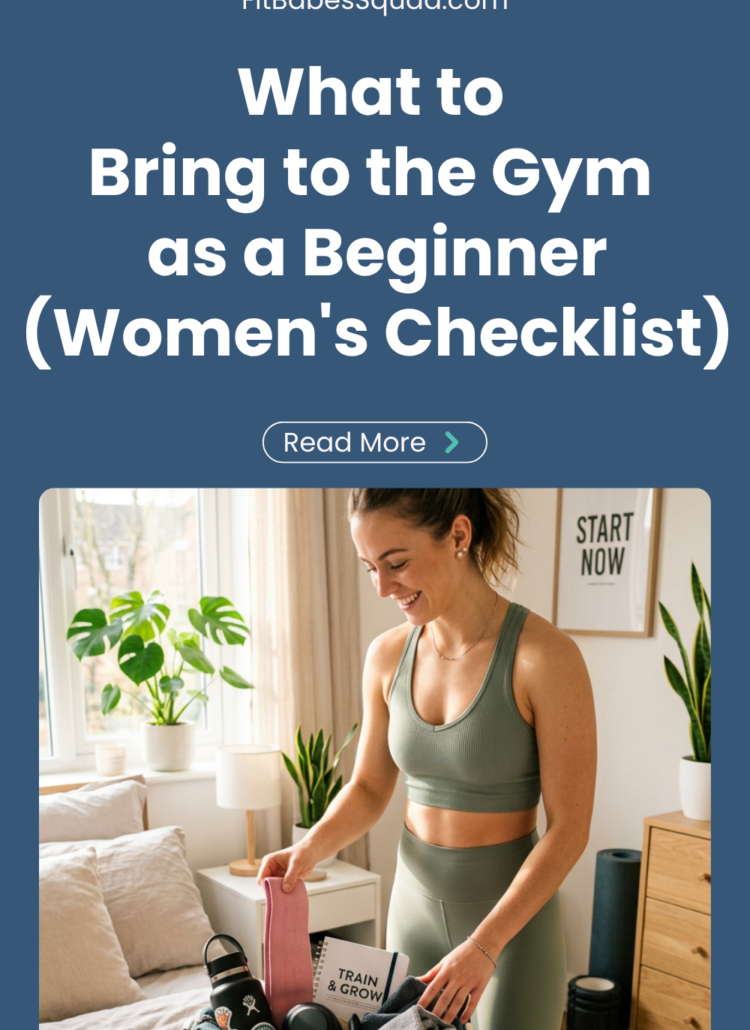
If you need gear to get started, here are my go-to essentials that make workouts easier and way more effective:
- Glute Resistance Bands – perfect for warm-ups and activating your glutes.
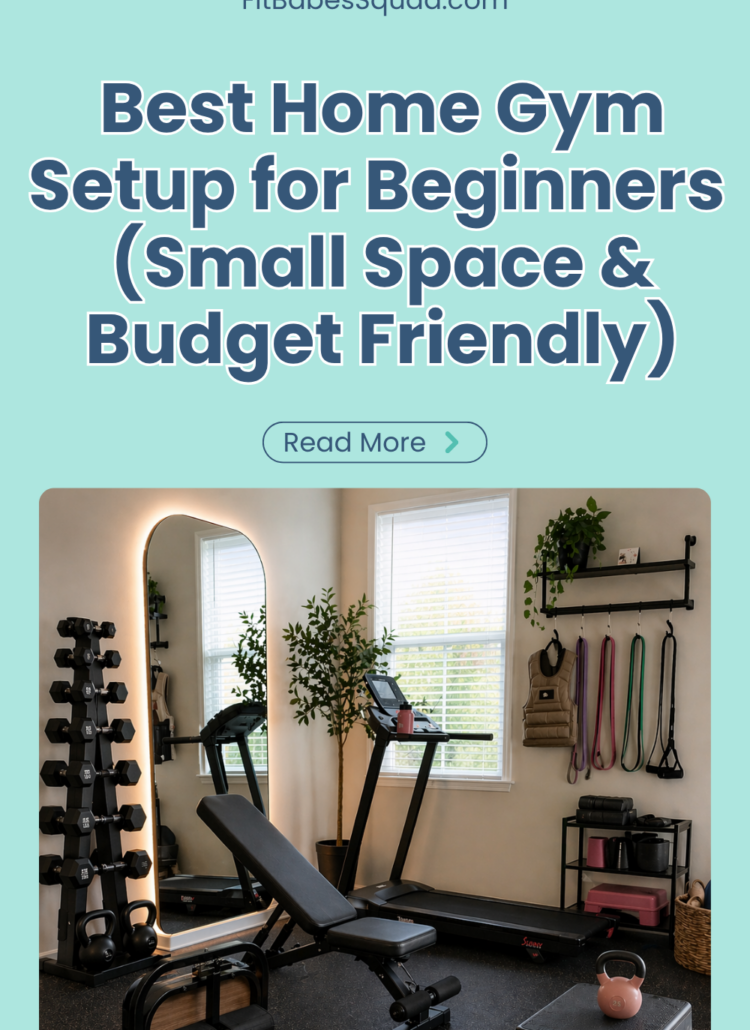
- Adjustable Dumbbells – amazing if you work out at home and want progressive overload.
- Barbell Pad – a must-have for comfortable hip thrusts! this specific pad has saved my hip bones lol.
- Ankle Straps for Cable Machines – great for kickbacks and lower-body accessory work. These work so well because they are comfortable and effective with different attachment hooks.
- Lifting Straps – helpful for RDLs, rows, and any heavy pulling movement.
Step 4: Focus on Progressive Overload
If you want to see real changes, you can’t keep lifting the same weights forever. Notice I said "forever", not "right off the bat".
When you are ready, progressive means gradually challenging your muscles so they grow stronger over time.
However, progressive overload should not come into your routine until you have nailed the perfect form of each exercise.
Why?
Because without proper form, injury is VERY likely. Especially when you add more weight and/or reps.
When it's time to incorporate progressive overload, you can do this by:
- Increasing weight
- Adding extra reps or sets
- Slowing down your tempo
- Improving your range of motion
Even a small bump in weight or better form counts as progress. Tracking your workouts helps you see how far you’ve come and nothing’s more motivating than realizing you’re lifting more than you did last month.
Step 5: Prioritize Recovery Like It's Part of the Workout
Seriously. Your body doesn’t grow stronger while you’re lifting. It happens while you rest. Recovery is where results happen, so don’t skip it.
Take at least one to two rest days each week and aim for seven to nine hours of sleep nightly. Fuel your body with enough protein and nutrient-dense foods to repair muscle tissue.
Active recovery like walking, yoga, or gentle stretching is great and can also keep you feeling energized without overdoing it.
I've come to LOVE rest days. Think of rest days as your secret weapon. They help prevent burnout, injury, and plateaus.
Recovery isn’t just rest. It’s nutrition, sleep, and smart supplementation. These are my favorites that actually make a difference:
- Protein Powder – essential for rebuilding muscle.
- Creatine Monohydrate – great for strength and muscle growth. and yes, women need creatine, too! and it's not going to make you retain water. you just have to drink the recommended water dosage in the instructions.
- Electrolytes – helpful on high sweat days or long training sessions. I used these in Italy and they saved me from all the sweating I did!
- Foam Roller – increases mobility and reduces soreness.
- Massage Gun – amazing for tight glutes, quads, and hamstrings. it hurts, but it's a good hurt lol.
Recommended post:
The Best Fitness Supplements for EVERY Woman
Step 6: Stay Consistent and Track Your Progress
A flawless workout plan means nothing if you don’t stick with it. The key to building strength and confidence is consistency.
Here’s how to make it easier:
- Schedule your workouts like non-negotiable appointments.
- Track your lifts and note small improvements each week.
- Set short-term goals (like “hit all four workouts this week”) instead of only chasing long-term ones.
- Celebrate every win. Yes, even showing up counts.
There will be days you feel unmotivated. That’s normal. On those days, focus on discipline over motivation. This is why "your why" is SO IMPORTANT!
Doing something, even a shorter session, is always better than nothing.
Tracking your progress makes the biggest difference. These tools help you stay organized and motivated:
Fitness Planner or Workout Logbook – keeps all your workouts, weights, reps, and goals in one place.
Habit Tracker – great for monitoring workout days, water intake, and steps.
Smart Scale – helpful if you track body composition over time. I always recommend doing the InBody composition scales at a nutrition shop, but this one in particular is great for at home, every day use!
Fitness Tracker – keeps you accountable with daily movement goals. Pretty and waterproof! Has all the gizmos and gadgets!
Step 7: Adjust Your Routine as You Grow
No routine should stay the same forever. After six to eight weeks, reassess your plan. Are you still seeing progress? Are you bored or hitting a plateau?
If progress stalls, change your rep ranges, swap exercises, or challenge yourself with new intensity techniques like supersets or drop sets. Evolving your workouts keeps your body guessing and your mind engaged.
Fitness isn’t one-size-fits-all. It evolves as you do. And that's where the fun and obsession come in!
Quick Recap
- Define clear, specific fitness goals.
- Choose a split that matches your lifestyle.
- Structure each workout with a balance of compound and accessory exercises.
- Apply progressive overload to keep improving.
- Respect rest and recovery.
- Stay consistent and track your results.
- Keep evolving your plan as you grow.
Hopefully you've come to find out that learning how to build a workout routine is about more than exercises. It’s about building habits that support your goals long term.
Once you find your rhythm, you’ll walk into the gym confident, focused, and ready to crush it.
Don't forget.. Everyone starts somewhere. Progress doesn’t come from perfection! It comes from showing up and doing your best, day after day.
So grab your water bottle, put on your favorite playlist, and get to it! You can do it!
Share this with your gym bestie or save it for later so you can build your dream routine together!

*Disclaimer: The suggestions provided in this blog post are for informational purposes only and should not be considered as a substitute for professional medical advice, diagnosis, or treatment. Always consult with a qualified healthcare provider before making any significant changes to your health and wellness routines. I am not a doctor and the information presented is based on research and personal experience. Individual results may vary, and any actions taken based on the information in this blog post are done at your own risk. It's essential to consult a healthcare expert for personalized guidance tailored to your specific health needs and circumstances. Your health and well-being should always be a top priority, and professional medical guidance is crucial for making informed decisions about your health.