Walking into the gym without a plan feels like opening Netflix with no idea what to watch. You wander around, try a few random machines, maybe copy someone else’s routine… and leave wondering if you actually did enough. That’s exactly where having a simple beginner workout split comes in.
Instead of guessing, you follow a clear weekly structure that tells you what to train and when. This way you build strength faster, recover properly, and finally start seeing progress.
In this post, I’ll break down exactly how to set up a simple, effective plan that makes the gym feel way less overwhelming and way more empowering.
The 7-Day Simple Beginner Workout Split
This plan includes 4 training days and 3 recovery days. It’s balanced, realistic, and perfect for someone just starting out.
Weekly Layout Overview
- Day 1: Upper Body
- Day 2: Lower Body
- Day 3: Active Recovery
- Day 4: Upper Body
- Day 5: Lower Body
- Day 6: Core + Light Cardio
- Day 7: Full Rest
Let's break it down.
Day 1: Upper Body Strength (Push Focus)
We’re focusing on chest, shoulders, and triceps.
Beginner Upper Body Workout Plan
Exercises:
- Dumbbell Chest Press – 3x10
- Shoulder Press – 3x10
- Tricep Pushdowns – 3x12
- Incline Push-Ups – 2x8–10
- Lateral Raises – 3x12
Why this works:
You’re training your pushing muscles without overloading them. Perfect for beginner strength training.
Pro Tip:
Start light. Focus on form. You should leave 1–2 reps “in the tank.”
Day 2: Lower Body Strength (Glutes & Quads)
This is where we build strong legs and confident glutes.
Beginner Leg Day Routine
Exercises:
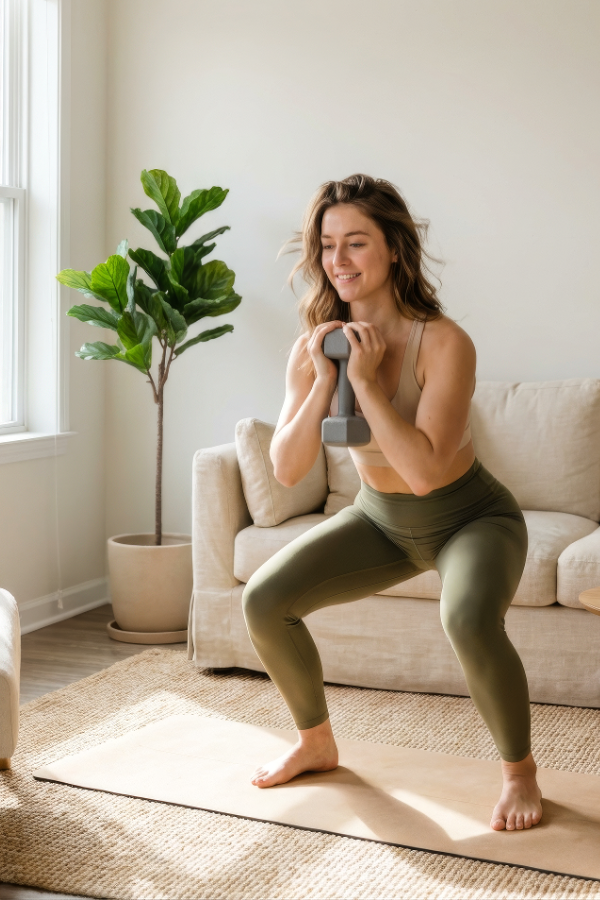
- Goblet Squats – 3x10
- Romanian Deadlifts – 3x10
- Walking Lunges – 2x12 each leg
- Leg Press – 3x12
- Glute Bridges – 3x12
Related goals this supports:
- Glute workout for beginners
- Beginner leg day routine
- Lower body strength training
I want you to remember, you don’t need heavy weights to grow. Controlled reps with great form > ego lifting.
If you struggle to feel your glutes, adding resistance bands can help activate them. This is what I had to do!

Day 3: Active Recovery
Do not skip this.
Active Recovery for Muscle Growth
You have so many great options when it comes to active recovery.
- 20–30 min incline walking
- Light cycling
- Mobility work
- Stretching flow
- Beginner yoga session
Recovery is where your muscles actually rebuild. If you ignore this, you stall progress.
I HIGHLY HIGHLY recommend getting this incline walking pad because on days you just don't want to go to the gym, you can be like me and hit a brisk walk while watching your favorite netflix show!

Recommended post:
The Best 20 Minute Glute Workout You Can Do Anywhere
Day 4: Upper Body Strength (Pull Focus)
Now we train back and biceps.
Beginner Back and Biceps Workout
Exercises:
- Lat Pulldowns – 3x10
- Seated Cable Rows – 3x10
- Dumbbell Rows – 3x10
- Bicep Curls – 3x12
- Face Pulls – 3x12
This balances your push day and improves posture. Super important if you sit a lot.
Form Tip:
Control the lowering phase. That’s where muscle-building magic happens.
Day 5: Lower Body (Hamstrings & Glutes Focus)
We shift emphasis slightly to hit different muscle fibers.
Glute-Focused Beginner Workout
Exercises:
- Hip Thrusts – 3x10 (get this hip thrust pad, I promise you'll thank me later!!)
- Bulgarian Split Squats – 2x8 each leg
- Hamstring Curls – 3x12
- Step-Ups – 2x10 each leg
- Cable Kickbacks – 3x12
This variation keeps your lower body training balanced and prevents plateaus.
Stable shoes make squats and lunges feel way better. I always wear converse. I've tried the fancy lifting shoes, and as of now, they just don't work for me.


Day 6: Core + Light Cardio
Core strength supports everything.
Beginner Core Workout for Stability
Exercises:
- Plank – 3x30 seconds
- Dead Bugs – 3x10
- Russian Twists – 3x15
- Hanging Knee Raises or Lying Leg Raises – 3x10
Then finish with 15–20 minutes of steady-state cardio.
Core training improves:
- Posture
- Stability
- Squat and deadlift strength
- Injury prevention
Day 7: Full Rest
Yes. FULL rest.
Why Rest Days Build Muscle
Muscle doesn’t grow during workouts. It grows during recovery.
When you lift weights, you’re actually creating tiny amounts of stress and microscopic damage in your muscle fibers.
That sounds scary, but it’s a good thing.
Your body responds by repairing those fibers to be stronger and more resilient than before. And that repair process? It doesn’t happen while you’re doing squats. It happens when you rest.
Your nervous system resets. Hormones regulate. Strength improves.
Heavy training taxes your central nervous system more than most beginners realize. Rest days allow your body to rebalance stress hormones like cortisol while supporting muscle-building hormones that help with recovery and growth.
Your joints get a break. Your connective tissues rebuild. Your energy stores refill. That’s why you often come back after a rest day feeling stronger and more powerful.
Rest Is Not Lazy, It’s Strategic
Rest is productive. Repeat that.
Rest is NOT lazy.
It does not mean you're falling behind.
Rest is a strategic part of the plan.
If you’re following a simple beginner workout split, your rest days are just as important as your lifting days.
Skipping them doesn’t speed up progress, it usually slows it down. Recovery is where your results are built. Treat it like a priority, not an afterthought.
And don't forget to add your protein in, post workout!
Post workout protein fills those micro tears to help grow your muscles bigger and stronger.
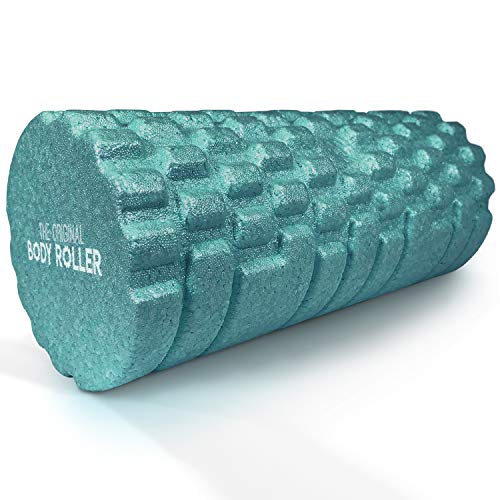
I've linked my favorite post workout products including hydration, protein powder, on the go blenders and recovery tools, below:


 XTEND Sport BCAA Powder Strawberry Kiwi Splash
BCAAs reduce muscle soreness by repairing the muscles with branch chain amino acids!
What Is a Simple Beginner Workout Split?
A workout split just means how you divide your training across the week.
Instead of doing random full-body workouts every day, you organize your sessions by muscle groups or movement patterns.
That’s how you avoid overtraining and finally start seeing muscle growth and strength gains.
A simple beginner workout split is designed to:
- Build strength gradually
- Improve recovery
- Prevent overwhelm
- Create consistency
- Support muscle growth for beginners
Think of it as your gym roadmap.
Why Beginners Should Follow a Workout Split
If you’re new to strength training for beginners, structure is your best friend.
Here’s why:
- You hit every muscle group evenly
- You allow proper muscle recovery time
- You reduce soreness and burnout
- You build progressive overload naturally
When your workouts have intention, your results come faster. Period.
BEGINNER FITNESS:
Check Out These Beginner's Fitness Essentials
How to Progress With This Simple Beginner Workout Split
Now let’s talk results.
Progressive Overload for Beginners
Each week, aim to:
- Add 2.5–5 lbs to one lift
- Or add 1–2 reps per set
- Or improve form and control
Track your workouts. Even in your notes app. This is what I do. It's simple and effective.
Progress = small consistent upgrades.
If you do want a physical workout tracker, this is the best one for the best price!

Recommended post:
The Top Tips for Strength Training for Beginners
Common Beginner Workout Mistakes to Avoid
- Doing too much too soon
- Skipping rest days
- Lifting too heavy with bad form
- Changing programs every week
- Ignoring protein intake
Stick with this simple beginner workout split for at least 6–8 weeks before making big changes.
Consistency > perfection.
How Long Before You See Results?
You’ll feel stronger in 2–3 weeks.
You’ll notice visible changes in 4–6 weeks.
Others will start noticing around 8 weeks.
If you stay consistent with this simple beginner workout split, your body will respond.
Final Thoughts on This Simple Beginner Workout Split
Here’s the truth: progress doesn’t come from doing everything. It comes from doing the right things consistently.
This simple beginner workout split gives you structure, recovery, and balance without overwhelm. It’s beginner friendly but powerful enough to deliver real strength and muscle growth.
You don’t need fancy programs.
You don’t need two-hour workouts.
You just need to have a plan and stick to it.
Start this week. Track your lifts. Celebrate small wins.
And if this simple beginner workout split helped you feel more confident walking into the gym…
Share this with your gym bestie 💕 or save it for later.
FAQ About Simple Beginner Workout Splits
Let’s clear up the little doubts that pop up when you start something new. Because I promise, if you’re wondering it, someone else is too.
How many days a week should a beginner work out?
For most beginners, 3–4 strength training days per week is perfect. That’s why this simple beginner workout split uses four lifting days and builds in recovery. It gives your muscles enough stimulus to grow without overwhelming your body.
More is not better. Consistent and sustainable is better.
Can I lose weight using a simple beginner workout split?
Yes but here’s the real tea: fat loss comes mostly from nutrition.
A simple beginner workout split helps you:
- Build lean muscle
- Boost metabolism
- Improve body composition
- Maintain strength while dieting
If fat loss is your goal, pair this plan with a balanced calorie deficit and adequate protein intake.
How long should each workout take?
Most sessions should take 45–60 minutes.
If you’re there for two hours as a beginner, you’re probably doing too much. Keep it focused:
- 5–10 minute warm-up
- 30–40 minutes strength training
- Optional 10–15 minutes cardio
Quality > marathon gym sessions.
What weight should I start with?
Start lighter than you think.
Choose a weight that allows you to complete your reps with good form while leaving 1–2 reps in reserve. The last reps should feel challenging but not sloppy.
If you’re unsure, err on the side of lighter. You can always increase next week. That’s how progressive overload works in a simple beginner workout split.
When should I increase the weight?
Increase the weight when:
- You can complete all sets easily
- Your form feels solid
- You finish with energy left
Small jumps (2.5–5 lbs) are perfect. Slow progress is still progress.
Can I swap exercises if something feels uncomfortable?
Absolutely.
If an exercise causes pain (not normal muscle burn.... actual joint pain), modify it. For example:
- Swap barbell squats for goblet squats
- Replace lunges with step-ups (if you have bad knees like me, these are a great swap!)
- Use machines instead of free weights
The goal is consistency, not forcing movements that don’t feel right for your body.
Do I need supplements to see results?
Nope.
Supplements are optional, not mandatory. If you want basics:
- Protein powder (for convenience)
- Creatine monohydrate (well-researched for strength)
Read my Best Fitness Supplements for Women post if you're interested in exactly which supplements to take as a beginner to fitness.
But remember.. training, nutrition, sleep, and consistency matter way more than any supplement.
If you still have questions about starting your simple beginner workout split, drop them in your notes app, bring them to the gym, or share this with your gym bestie and figure it out together 💕
Other Beginner Fitness Posts You'll Love:
xoxo,

*Disclaimer: The suggestions provided in this blog post are for informational purposes only and should not be considered as a substitute for professional medical advice, diagnosis, or treatment. Always consult with a qualified healthcare provider before making any significant changes to your health and wellness routines. I am not a doctor and the information presented is based on research and personal experience. Individual results may vary, and any actions taken based on the information in this blog post are done at your own risk. It's essential to consult a healthcare expert for personalized guidance tailored to your specific health needs and circumstances. Your health and well-being should always be a top priority, and professional medical guidance is crucial for making informed decisions about your health.